Last updated on 08/09/2026
On this page
Living in the far south
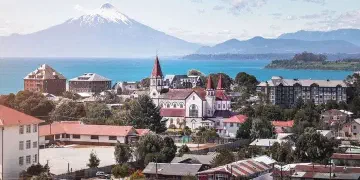
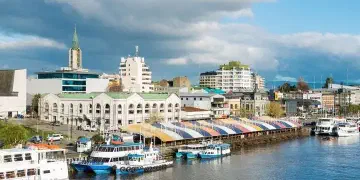
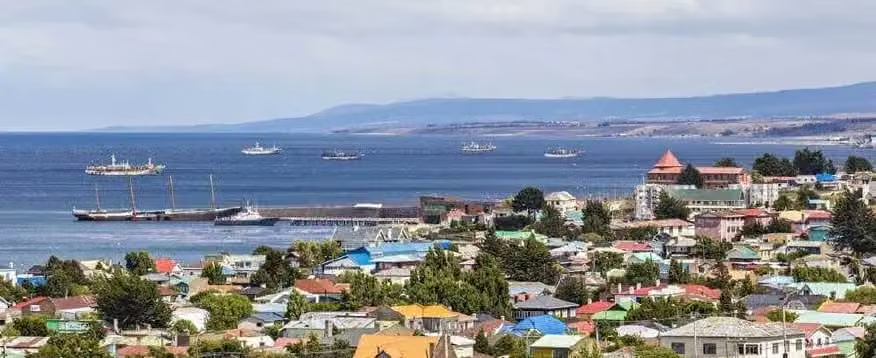
Punta Arenas and Puerto Natales are in continental Chile's far south, over 3,000 kilometers from Santiago. Punta Arenas is the regional capital with around 130,000 people. Puerto Natales is a much smaller town of about 20,000 that serves as the gateway to Torres del Paine National Park.
Most people move here for a specific reason: work in tourism, oil and gas, or Antarctic logistics, or a deliberate choice to live in Patagonia. The weather and distance make an exploratory move harder than in Chile's central regions.
The wind and the cold
The climate is harsh. Summer temperatures hover around 5-17°C, and winter temperatures drop well below freezing. Wind is the more persistent issue: it is strong and can continue for days in summer. Winter brings about 7 hours of daylight, which can be difficult if you are not prepared for it.
Proper heating and good insulation are essential. Many older buildings are poorly insulated, so check both points when viewing accommodation.
Living there
Punta Arenas has the main everyday services: a hospital, supermarkets, schools, a small shopping center, and an airport with daily flights to Santiago (about 3.5 hours). Puerto Natales is more limited. It has a small hospital and basic services, but specialist care may require a trip to Punta Arenas, which is a 3-hour bus ride away.
As a rough reference, rents in Punta Arenas run USD 300-500 per month for apartments and USD 500-1,000 for houses. Puerto Natales can be a little cheaper. Many goods cost more than elsewhere in Chile because they must be shipped south, and winter heating costs are significant.
The duty-free zone (Zona Franca) in Punta Arenas can make electronics, vehicles, and some imported goods cheaper than in the rest of Chile.
Where to live
In Punta Arenas, aim for somewhere close to the centre, around Plaza Muñoz Gamero and the streets running down toward the strait. That is where the offices, shops, and services are, and in winter you do not want long, exposed walks in the wind. Here the building matters more than the neighbourhood: the city's housing stock ranges from handsome but draughty older houses to newer apartment blocks that are far easier to heat, so judge a property by its insulation and heating system before anything else.
Need help finding a home?
The service includes:
- Properties compared with market prices
- Lease reviewed before you sign
- Accompanied viewings in Santiago
If you are moving with children, the centre also makes sense for schools. The British School, founded in 1896 and one of the oldest British schools in Chile, is in the city centre, and it is the established bilingual option this far south. See our education in Chile guide for context on how private colegios work.
Puerto Natales is small enough that the in-town location matters less, since most services are a short drive or a windy walk away. The main choice is between living in town and taking a rural property on the roads toward Torres del Paine, which provides more space and views but makes you dependent on a car.
Who lives there?
The expat community is very small, and we do not have many contacts there yet. The foreigners we know of are mostly adventure-tourism professionals, researchers working on Antarctic or environmental projects, and a small number of remote workers. Puerto Natales has more seasonal workers who come and go with the trekking season from October to April.
The area gives you access to Torres del Paine, glaciers, fjords, penguin colonies, and departures from Punta Arenas to Antarctica. That access comes with less convenience and a smaller social scene. You need a car, comfort with isolation, and a tolerance for cold weather.
This is among the most remote places you can choose to live in Chile. Visit first, ideally in winter, before committing to a move.
Frequently asked questions about living in Punta Arenas and Puerto Natales
Living in Chilean Patagonia
Is it safe to walk around Punta Arenas, Chile?
Yes. Punta Arenas is a calm, small city by Chilean standards, and day-to-day crime is less of a concern than in Santiago or the northern cities. Use normal caution at night around the port area. Strong wind and icy winter pavements are more frequent day-to-day hazards. For the national picture, see our guide Is Chile safe?
Is it expensive to live in Punta Arenas?
As a rough rental reference, apartments run USD 300-500 per month and houses USD 500-1,000, less than comparable places in Santiago. Many other goods cost more because they are shipped south, and heating through the long winter is a significant budget item. The Zona Franca duty-free zone can reduce the cost of electronics, vehicles, and some imported goods. See our cost of living in Chile guide for nationwide references.