Last updated on 08/09/2026
On this page
The practical choice is usually between Santiago, the central coast, and a smaller regional city. Work, climate, budget, and distance from the capital narrow the list quickly.
Chile has about 19 million people, distributed unevenly across a long territory. More than 7 million live in the Santiago metropolitan area, while the rest are spread across regional cities and towns. Most expatriates live in Santiago or on the fifth region's coast around Valparaíso and Viña del Mar. Mining jobs are concentrated in the north, while tourism and energy are important employers in Patagonia.
Santiago
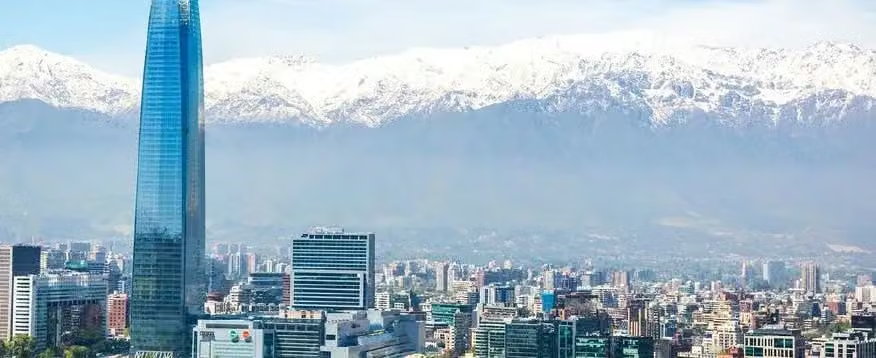
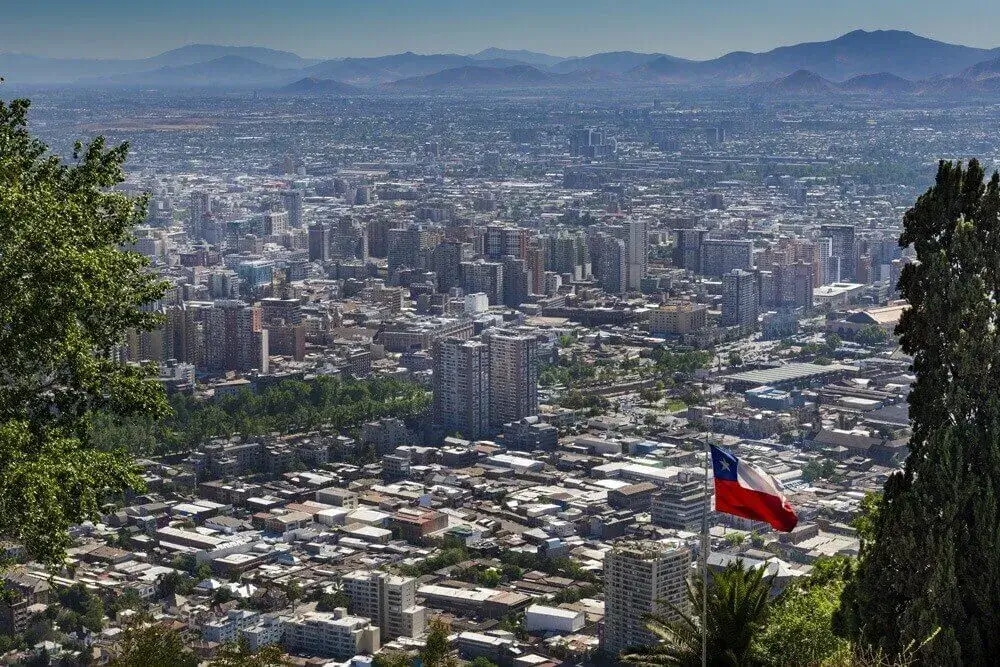
Santiago is Chile's only metropolitan area with several million residents. Regional cities are smaller and generally have a slower pace. Most expatriates choose Santiago because professional opportunities, international schools, and private clinics are concentrated there. Within the city, expats often choose the eastern comunas of Providencia, Las Condes, Vitacura, and Ñuñoa.
The main drawbacks of living in Santiago are air pollution, especially in winter (from June to September), and noise. See our guide to life in the Chilean capital.
For a detailed overview of Santiago's neighborhoods, see our living in Santiago guide. For street-level detail, see our Where to Live section.
Valparaíso & Viña del Mar
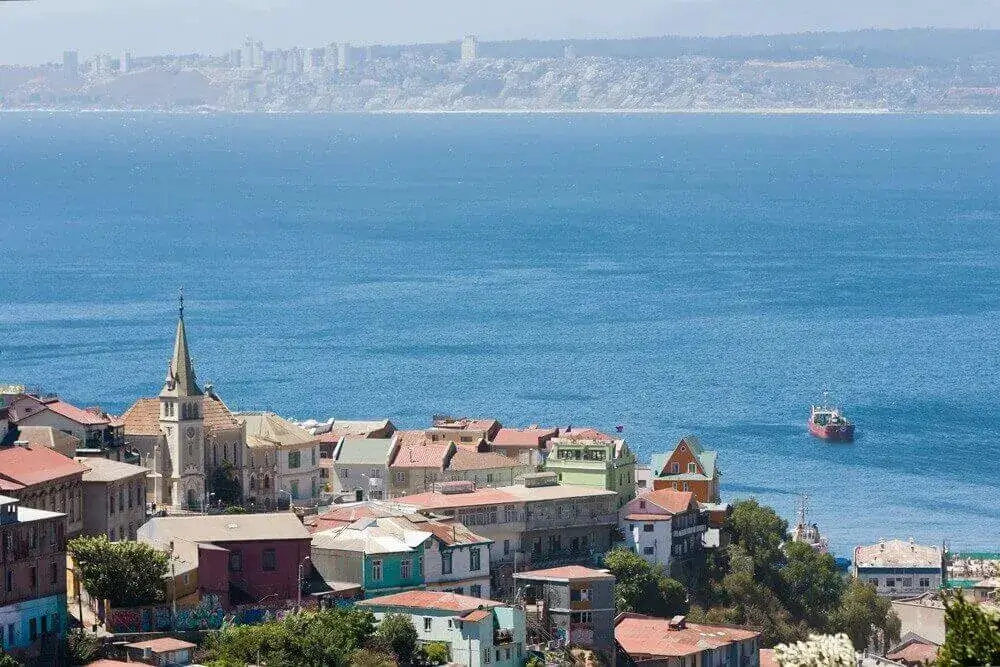
Many foreigners who want to live by the sea choose the fifth region because it remains accessible to Santiago for weekend trips or business. Valparaíso is a UNESCO World Heritage port city with street art, a cultural scene, and one of Pablo Neruda's houses. Neighboring Viña del Mar is cleaner, more modern, and popular with affluent Chileans and expat retirees.
Together they form Chile's main coastal metropolitan area, which keeps growing northward: Reñaca and Concón offer newer apartments by the beach, and most of the area's bilingual schools sit on this side of the bay. The ocean is cool year-round (this is the Pacific, not the Caribbean), but the lifestyle is relaxed and the cost of living is lower than Santiago. You can reach the capital in about 90 minutes by car or bus.
For detailed neighborhood information, see our Valparaíso & Viña del Mar living guide.
La Serena
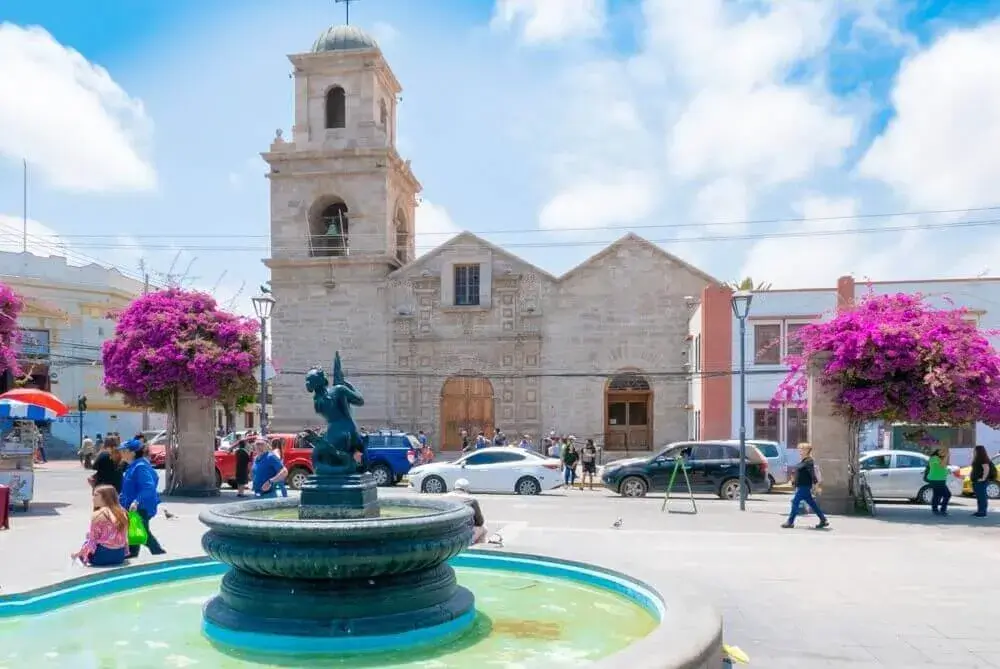
La Serena is a coastal city of about 250,000 people, a few hours north of Santiago. Its climate and landscape have a Mediterranean feel. Summers rarely exceed 26°C (79°F), and the long beaches suit walking as much as swimming.
Some retirees choose La Serena for its mild climate, lower cost of living than Santiago, and slower pace. The Elqui Valley wine region and major astronomical observatories are nearby. The mining industry also provides jobs in the region.
For detailed information, see our La Serena & Coquimbo living guide.
Antofagasta
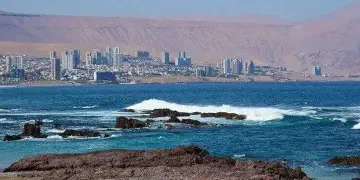
Antofagasta is a port city of 350,000 people located in northern Chile. Antofagasta sits between the Pacific Ocean and the hills where the Atacama Desert begins.
The air of the ocean helps to reduce the desert climate: temperatures reach 16°C / 60°F in winter and 25°C / 77°F in summer, and it almost never rains.
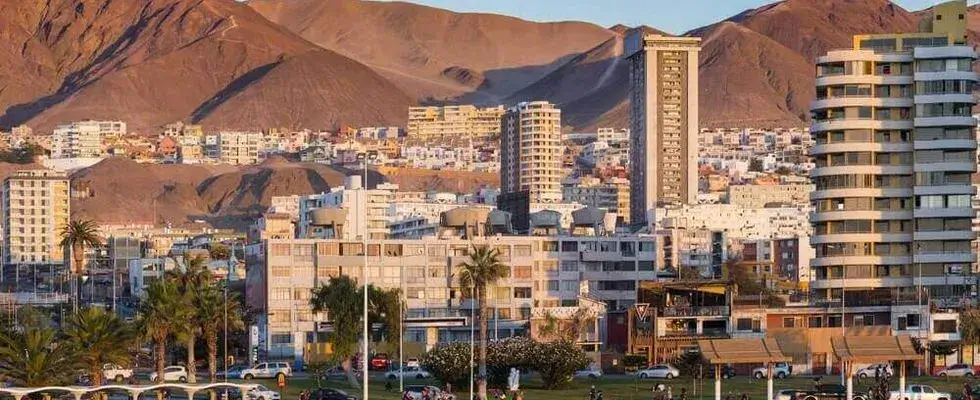
The city's growth has long followed the mining industry, which remains its main source of job opportunities. More recent investment has added artificial beaches, parks, and sports infrastructure. Antofagasta extends along the coast: higher-income neighborhoods are in the south, while poorer areas are concentrated in the north and on the hillsides.
The city can feel dirty and has higher crime concerns than many Chilean cities. Tap water is treated, but its taste and mineral content vary; some residents prefer filtered or bottled water.
Need help finding a home?
The service includes:
- Properties compared with market prices
- Lease reviewed before you sign
- Accompanied viewings in Santiago
Iquique
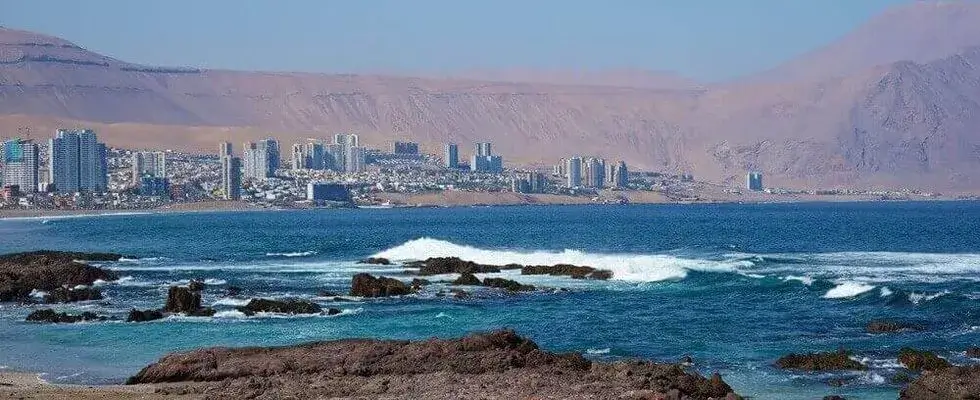
Iquique is a city of about 200,000 people between the Pacific Ocean and the Atacama Desert. The climate is warm and dry year-round, with almost no rain. Its duty-free shopping zone (ZOFRI) supports business activity, while the local conditions suit paragliding and year-round surfing.
The city combines beach life with immediate access to the desert. Iquique may suit you if you want warm weather and outdoor sports and do not mind living about 1,800 km from Santiago. Historic nitrate ghost towns in the desert are an option for weekend trips.
See our Iquique living guide.
Concepción
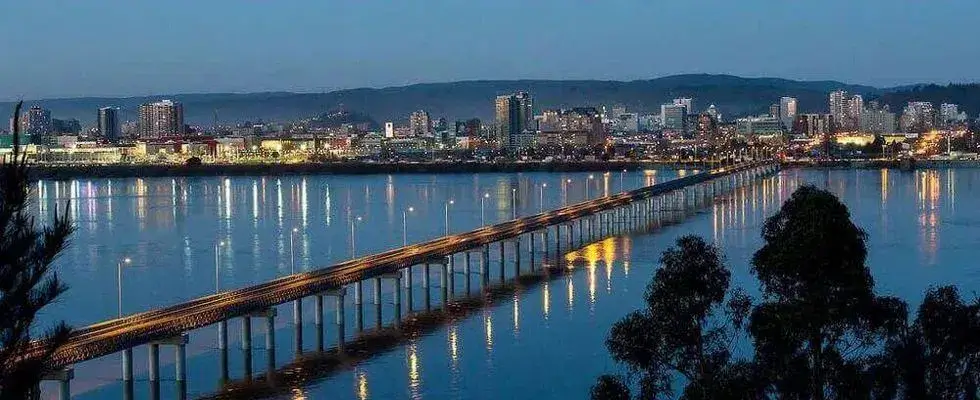
Concepción is a major city in south-central Chile. Much of it was rebuilt after an earthquake, giving the city a more modern layout. Winters can reach about 4°C / 40°F, and summer temperatures rarely exceed 25°C / 77°F. The Pacific is cold here, and nearby beaches tend to be isolated rather than resort-style. Daily life is generally quiet.
For neighborhood-level detail, see our Concepción living guide.
Pucón
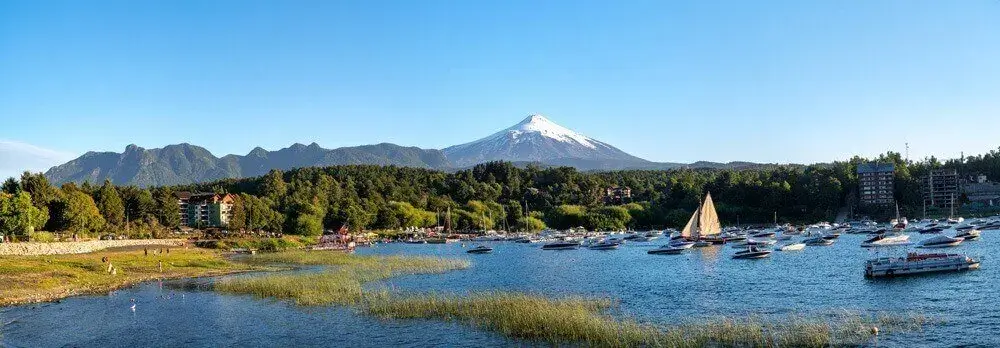
For a smaller-town lifestyle in southern Chile, Pucón has about 22,000 residents in the Araucanía Region and the appearance of an alpine village.
The city is popular with affluent visitors and has many agencies offering sport and adventure activities. Tourism provides work. The region also records some of Chile's highest rainfall.
Punta Arenas & Puerto Natales
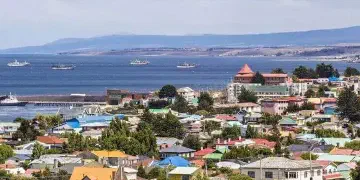
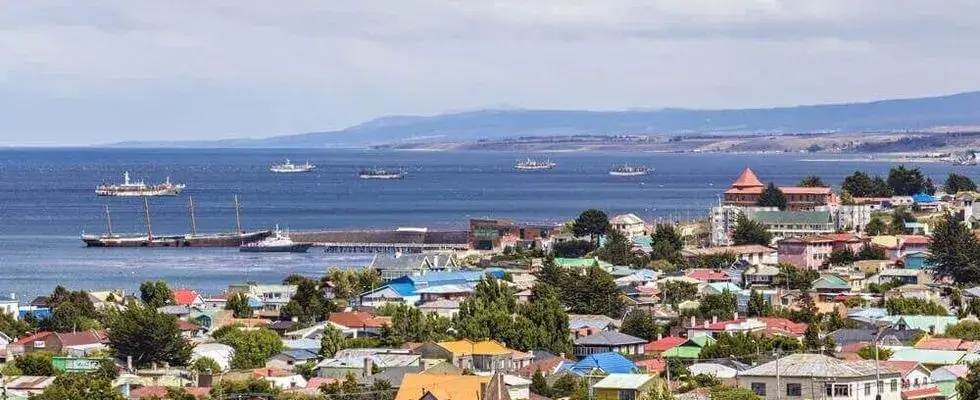
Punta Arenas and Puerto Natales are gateways to Chilean Patagonia. Punta Arenas, with about 130,000 residents, is among the world's southernmost cities. Smaller and more remote Puerto Natales serves as a base for Torres del Paine National Park.
The climate is cool year-round, with strong winds and limited winter daylight. The area tends to suit people who work in tourism or prioritize outdoor access over convenience and a large social scene. Patagonian adventure tourism provides employment.
See our Punta Arenas & Puerto Natales living guide.
Valdivia
Valdivia is a river city of about 150,000 people in southern Chile with a strong German colonial heritage, visible in its architecture, local breweries, and kuchen (German cake). The Universidad Austral brings a large student population.
Rivers and temperate rainforest shape the setting. The cost of living is lower than in Santiago, and the city has an active cultural scene for its size. It also rains frequently, especially in winter. Valdivia suits people who want a smaller university city and do not mind wet weather.
See our Valdivia living guide.
Frequently asked questions about the best places to live in Chile
Choosing a City in Chile
Where do American expats live in Chile?
Most expatriates, including Americans, settle in Santiago, where professional opportunities and international services are concentrated. Another common choice is the coast of the fifth region, in Valparaíso and Viña del Mar, close enough to the capital for weekend trips. Some retirees choose La Serena for its mild climate and slower pace of life.
Can you live on $1000 a month in Chile?
It depends heavily on the city. Santiago is among Chile's most expensive places to live, while cities like La Serena, Valdivia, or Concepción offer a noticeably lower cost of living, so a tight budget stretches further outside the capital. For realistic budget figures by category, see our cost of living in Chile guide.
Can a US citizen live in Chile?
Yes. US citizens can enter Chile as tourists and, to settle long term, apply for residency through work, family, retirement, or other routes. Many of the expats living in Santiago and the coastal cities are American. See our guides to visa requirements for US citizens and temporary residency in Chile for the details.