Last updated on 03/09/2026
On this page
The mining capital of Chile
Let's not sugarcoat it: if you are moving to Antofagasta or Calama, it is because of mining. This is the heart of Chile's copper industry, the region that has historically financed a large part of the country's economy. The major players are all here: Codelco, BHP, Anglo American, Antofagasta Minerals, and dozens of contractors and service companies. The salaries are high, often two to three times the national average, and that is the main reason people come.
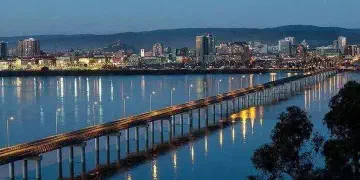
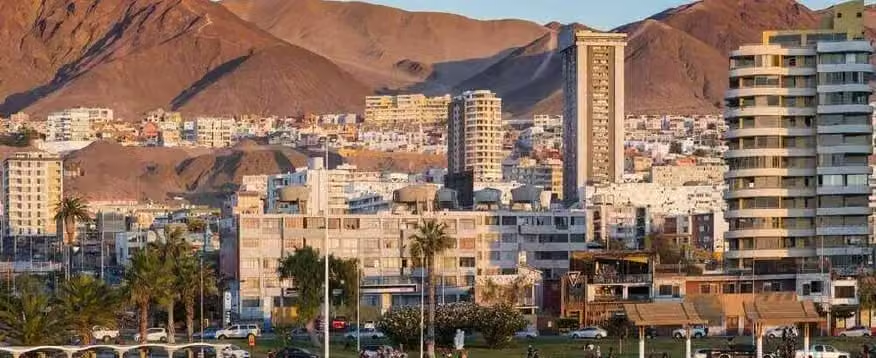
Antofagasta is the regional capital and port city, with around 400,000 people. Calama is the inland mining hub, closer to the actual mines, including Chuquicamata, the world's largest open-pit copper mine. Between the two, Antofagasta is the more liveable option, mostly because it sits on the coast and the ocean moderates the temperature.
The desert reality
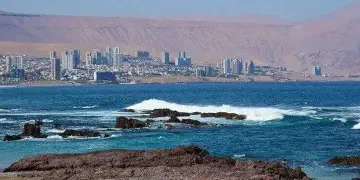
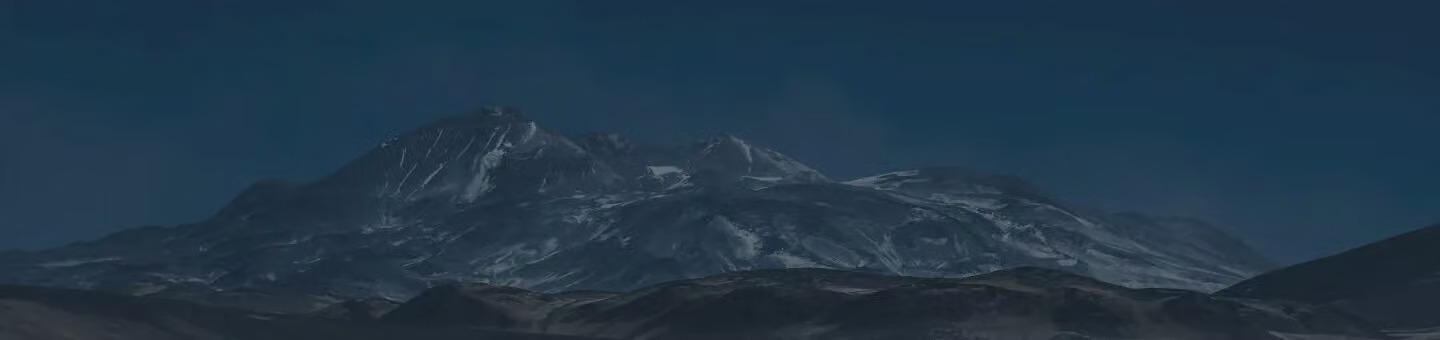
Both cities are in the Atacama Desert, one of the driest places on Earth. Antofagasta gets about 1mm of rain per year. Calama gets a bit more but is hotter and more exposed due to its interior location. There is no greenery to speak of, the landscape is brown and dry, and UV exposure is extreme, so you will need sunscreen every single day.
Need help finding a home?
The service includes:
- Properties compared with market prices
- Lease reviewed before you sign
- Accompanied viewings in Santiago
Water scarcity is a real issue in the region, and air quality can be affected by mining operations and dust. If you have respiratory issues, this is worth considering carefully.
Where to live
Most expats with families end up in a common arrangement: the working spouse lives in Antofagasta or Calama during the week, and the family stays in Santiago or Viña del Mar. They fly back for weekends. This is very common in the mining industry, and daily flights to Santiago take about 2 hours. The reason is simple: there is not a lot to do in these cities outside of work, international school options are limited, and partners will struggle to find employment.
Considering the high cost of living and limited entertainment, many mining employees work Monday to Friday in Antofagasta or Calama and spend the weekend with their family in Santiago or Viña del Mar. This is especially common when children need to attend a good school, most of which are in the Metropolitan Region.
If you do live there full-time, Antofagasta is the better choice. It has more restaurants, a waterfront, and at least some semblance of city life. The geography of the city is simple: the nicer residential areas run along the coast in the southern part of town, in sectors like Jardines del Sur, where the newer apartment towers and the better services are, while the poorest areas are to the north and up on the hillsides. Choose south, as close to the waterfront as your budget allows. Housing in the city center runs $400-800/month for an apartment. Calama is more functional: you are there to work, not for the lifestyle. Many mining companies provide housing or generous allowances, so check what your employer offers before looking on your own.
If you are bringing children, factor in schools early. The Antofagasta British School is the city's long-established bilingual colegio, but international-curriculum options are scarce, and places at the good private schools are competitive. This is one of the main reasons mining families keep the household in Santiago or Viña del Mar. Our education in Chile guide covers how the system works.
The honest assessment
The money is good: mining salaries in the region run well above Chilean averages. The career experience in large-scale mining operations is valuable. But the lifestyle trade-offs are real. There is limited cultural life, the social scene is thin, and the environment is unforgiving. Crime rates have been higher than in some other Chilean cities, and the transient nature of the mining workforce means the community can feel impersonal.
On the positive side, you are close to some genuinely spectacular desert landscapes: the Atacama is stunning in its own way, with some of the clearest skies on Earth for stargazing and surreal geological formations. And the salary lets you save aggressively or travel on your time off.
We don't have a large expat network in this region yet, so our direct knowledge is limited compared to Santiago. If you are moving for mining, your employer will likely handle most of the logistics. If you are considering it for other reasons, well, there are probably better options elsewhere in Chile.
Frequently asked questions about living in Antofagasta and Calama
Living in the Mining North
Is Antofagasta a good place to live?
It depends on why you come. Mining salaries are high, often two to three times the national average, and Antofagasta has a waterfront, restaurants, and at least some city life, which makes it the more liveable option compared to Calama. The trade-offs are real: limited cultural life, a thin social scene, and an unforgiving desert environment with extreme UV. Many mining families split the week, with the worker in Antofagasta and the family in Santiago or Viña del Mar.
How safe is Antofagasta, Chile?
Crime rates have been higher than in some other Chilean cities, and the transient nature of the mining workforce means the community can feel impersonal. The nicer neighborhoods are in the south of the city, while the poorest areas are to the north and on the hillsides, so location matters when choosing housing. For nationwide context, see our guide Is Chile safe?