Last updated on 03/09/2026
On this page
The basics
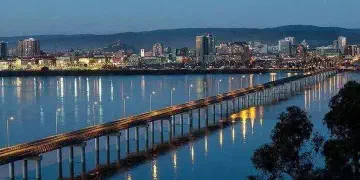
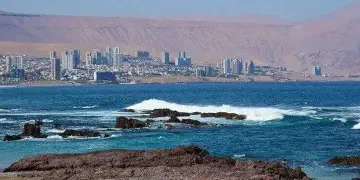
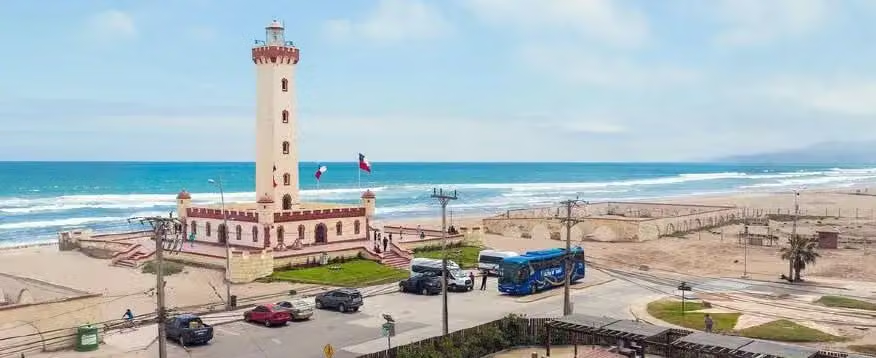
La Serena and Coquimbo are twin coastal cities about 470 kilometres north of Santiago. La Serena is Chile's second-oldest city and the nicer of the two. It has attractive colonial architecture, over 10 km of beaches along the Avenida del Mar, and a compact, walkable centre. Coquimbo is the port city next door, more working-class and rougher around the edges, but also cheaper. They are about 12 km apart and connected by public transport.
The big draw here is the climate. This far north, it barely rains. People often describe it as "permanent spring," and they are not far off. If you are coming from a rainy European country and want sunshine without the extreme heat of the actual desert further north, La Serena hits a sweet spot.
Living there
The cost of living is noticeably lower than Santiago. Housing is affordable, and the pace of life is slow, which is either a selling point or a warning, depending on your personality. La Serena is flat and very bikeable, which is a plus.
The Elqui Valley is about an hour inland and worth mentioning. It is one of the best stargazing spots on the planet, with professional observatories you can visit. It is also where pisco comes from, if that matters to you.
The downside is that this is a smaller city with less infrastructure than what you would find in Santiago or even Valparaíso. Shopping options are limited, cultural activities are fewer, and you will find very little English spoken. For healthcare, there is a public hospital and private clinics. However, for anything complex, you would likely need to travel to Santiago.
Where to live
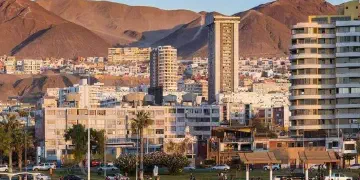
In La Serena, the real choice is between the historic centre and the beach. The centre keeps you close to services, markets, and the colonial architecture, and it stays alive year-round. The towers along Avenida del Mar are the opposite: packed with Chilean vacationers in January and February, then quiet for the rest of the year. That can mean good off-season deals on rentals, but also a somewhat empty feel in winter, so think about whether you want neighbours or silence. Many long-term residents settle in the established residential sectors between the centre and the beach, which give you a bit of both.
Need help finding a home?
The service includes:
- Properties compared with market prices
- Lease reviewed before you sign
- Accompanied viewings in Santiago
In Coquimbo, the one area worth singling out is La Herradura, a sheltered bay on the south side of the city with calm water, a yacht-club atmosphere, and the most upscale housing on this stretch of coast. The rest of Coquimbo is cheaper but rougher around the edges, as you would expect from a working port. South of Coquimbo along the coast there are also gated beach communities, such as Las Tacas, built as condominium resorts with their own beaches and pools. They are quiet most of the year and you will need a car for absolutely everything.
One thing families should know: there is no full international school here. Most private colegios are on the La Serena side rather than in Coquimbo, which is one more reason families tend to pick La Serena, but if you need English-language schooling you will be looking at Santiago or Viña del Mar instead. See our education in Chile guide for the details.
Getting there
You can fly from Santiago in about 1.5 hours, or take a bus which is a solid 6 to 7 hours. If you are working remotely, the internet is adequate but do not expect the same reliability as Santiago.
Who is this for?
La Serena attracts retirees and remote workers, mostly. If you want an affordable, sunny, beach-oriented lifestyle and you do not need a big city's amenities, it is genuinely appealing. But you should be honest with yourself about whether you can handle the slower pace and the relative isolation.
We do not have many expat contacts in La Serena yet, so our first-hand knowledge is more limited than for Santiago or Valparaíso. If you are living there or considering it, we would love to hear from you.
Frequently asked questions about living in La Serena and Coquimbo
Living in La Serena
How much does it cost to live in La Serena?
Noticeably less than Santiago. Housing is affordable, daily expenses are lower, and the flat, bikeable layout means you can get by without spending much on transport. The trade-off is less infrastructure: fewer shopping options, fewer cultural activities, and travel to Santiago for complex healthcare. For realistic budget figures by category, see our cost of living in Chile guide.
Is it safe for Americans to go to Chile right now?
Yes. Chile remains one of the safer countries in Latin America for foreigners, and Americans face no particular hostility. La Serena is calmer than Santiago, but the usual precautions about pickpocketing and not flashing valuables apply, especially in busy areas and around the port in Coquimbo. For the full national picture, see our guide Is Chile safe?