Last updated on 08/09/2026
On this page
A beach city in the desert
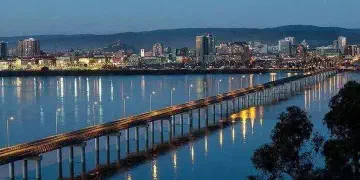
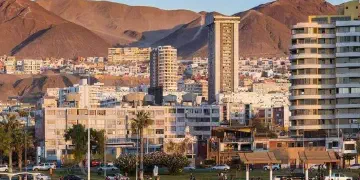
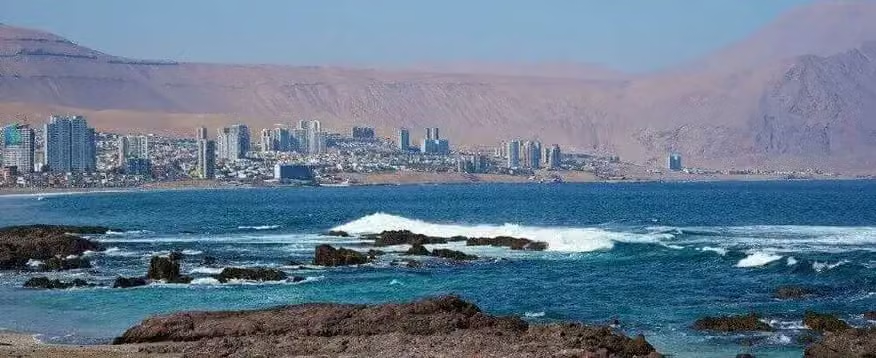
Iquique sits between the Pacific Ocean and the Atacama Desert, about 1,800 kilometers north of Santiago. It has around 200,000 people and differs from the mining cities farther south. Mining still contributes to the local economy, but Iquique also has a major free trade zone (ZOFRI) and a beach-oriented lifestyle.
Temperatures stay between 15 and 28°C year-round, and it rarely rains. The climate suits people who want warm, dry weather and regular access to the beach.
ZOFRI and the economy
Beyond mining, ZOFRI—the Zona Franca de Iquique—is a major part of the economy. Electronics, vehicles, and imported goods can cost 30-50% less than in the rest of Chile, depending on the product. The zone supports jobs in import and export, logistics, and retail. It is one of the few Chilean cities where international trade is a significant local sector.
Mining-related jobs exist here too, though less concentrated than in Antofagasta or Calama. Some expats work in the mines inland and live in Iquique for the better quality of life, which is a reasonable arrangement if the commute works for your schedule.
The lifestyle
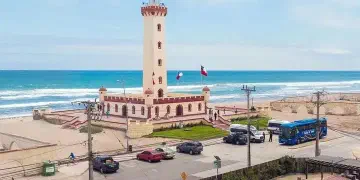
Playa Cavancha is the main beach, and the surrounding area has modern apartments, restaurants, and some nightlife. Consistent waves and warm water make it a popular surfing spot. Paragliding from the coastal cliffs is another established local activity.
Need help finding a home?
The service includes:
- Properties compared with market prices
- Lease reviewed before you sign
- Accompanied viewings in Santiago
The historic center retains architecture from the nitrate-boom era. The nearby ghost towns of Humberstone and Santa Laura are UNESCO World Heritage sites, and the Atacama Desert is accessible for day trips.
Iquique remains a relatively small, isolated city. Cultural life is limited compared with Santiago or Valparaíso, and shopping beyond ZOFRI is basic. Flying to Santiago takes about 2.5 hours, and almost all international connections go through the capital.
Where to live
The area around Playa Cavancha is a practical first choice: modern apartment towers, the beach across the road, restaurants, and the city's limited nightlife are all walkable. The Cavancha peninsula has some of the city's more sought-after addresses. Farther south along the costanera, the towers facing Playa Brava are quieter. The ocean there is too rough for swimming, but apartments offer views and more space for the price. Newer residential buildings continue south toward Bajo Molle.
The historic centre around Calle Baquedano has character, with its nitrate-era wooden architecture, but the buildings are older, the streets busier, and it is less appealing at night. Alto Hospicio, the suburb up on the plateau above the city, is the cheap option, but you lose the beach, it feels like a dormitory town, and it has a rougher reputation, so we would not recommend it for newcomers.
For families, bilingual options exist but are limited. The best known is the long-established Iquique English College, which dates back to the nitrate boom. There is no full international school, so check carefully whether the schooling works for you before committing to the move. Our education in Chile guide explains the colegio system.
Housing and practical matters
As a rough rental reference, a decent apartment costs about USD 250-500 per month. Beachfront units can still cost less than comparable housing in Santiago.
Healthcare is adequate (there is a public hospital and private clinics), but for anything specialized you will probably want to fly to Santiago.
Who is it for?
We do not have many expat contacts in Iquique yet, so our firsthand knowledge is limited. The foreigners we know of work mostly in mining or ZOFRI-related commerce, or chose the city for surfing and outdoor activities at a lower cost than Santiago. Iquique is worth considering if you want a northern city that is not centered only on mining. You still need to be comfortable living far from the rest of the country.
Frequently asked questions about living in Iquique
Living in Iquique
How safe is Iquique?
Reasonably safe if you choose your area well. The coastal residential sectors around Cavancha and the southern beaches are relaxed by day, while the busy commercial centre and the area around ZOFRI call for normal big-city precautions against pickpocketing. Alto Hospicio, on the plateau above the city, has a rougher reputation. As anywhere in northern Chile, keep valuables out of sight and take care at night. For the national picture, see our guide Is Chile safe?
Is Chile friendly to American expats?
Yes. Chileans are generally welcoming to Americans, and hostility toward foreigners is uncommon. Iquique has a very small expat scene, so expect curiosity rather than an established English-speaking community, and plan on learning Spanish. On the paperwork side, US citizens enter visa-free as tourists and have several residency routes. See our guide to visa requirements for US citizens.