Last updated on 03/09/2026
On this page
School levels
In Chile, school is divided into three levels.
Parvularia is the equivalent of nursery and kindergarten, from 0 to 6 years old. A 2013 law (Law 20832, enacted under president Sebastián Piñera) granted free access to the last four years of parvularia and made the last year (kinder) obligatory, as a prerequisite for entry into elementary school.
Educación general básica corresponds to elementary and middle school. It is divided into two cycles: levels 1 to 4 form el primer ciclo (first cycle, from 6 to 10 years old) and levels 5 to 8 form el segundo ciclo (second cycle, from 11 to 13 years old).
Educación media corresponds to high school, with four levels from 14 to 18 years old. Since May 2003, it has been free and compulsory for all Chileans. Students choose between three courses, scientific-humanistic, technical-professional or artistic, all lasting four years. The first two years are the same for all three types of education, while the third and fourth years differ depending on the chosen path.
At the end of educación media, students can take the Prueba de Acceso a la Educación Superior (PAES), which replaced the transitional PDT in 2022 (itself the short-lived successor of the PSU). It is a multiple choice test in mathematics, reading comprehension, and sciences or history/geography according to the student's course. At the end of this exam, every student gets a score between 100 and 1,000 points, which is decisive for admission to universities (see the admission section below).
The school year is divided into two semesters. The first runs from early March to early July. Following the two-week winter holidays, the school resumes until early December. Then, students have summer holidays until early March.
Higher Education
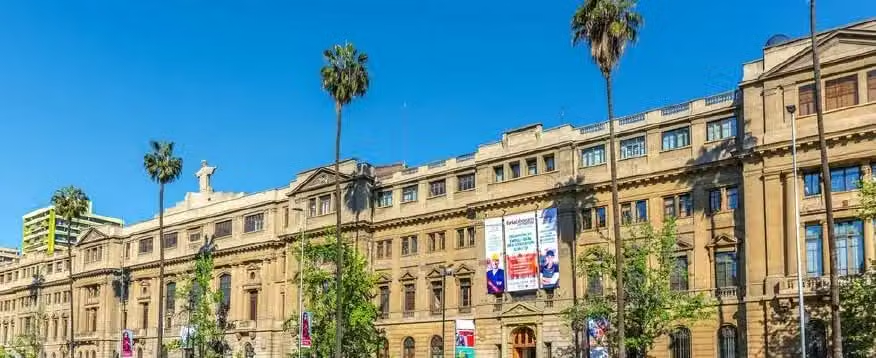
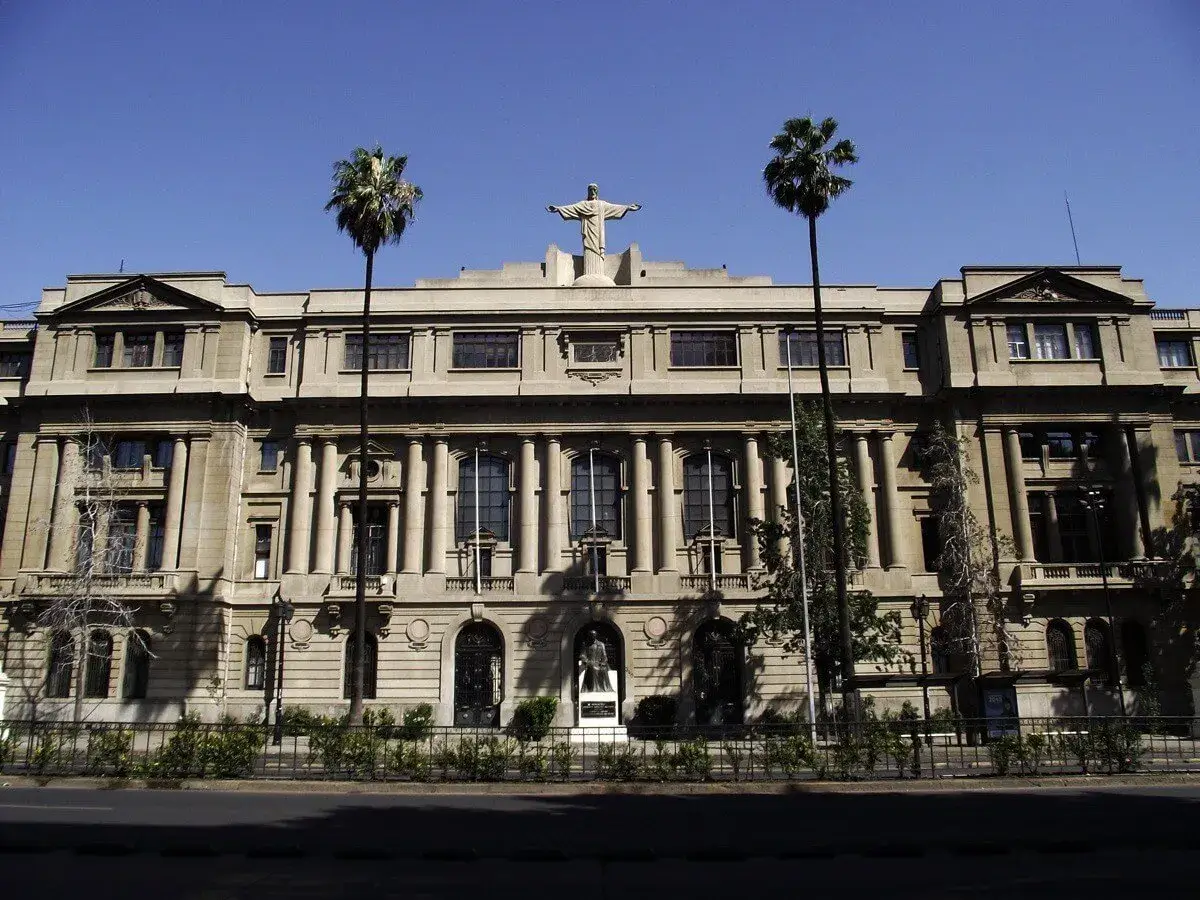
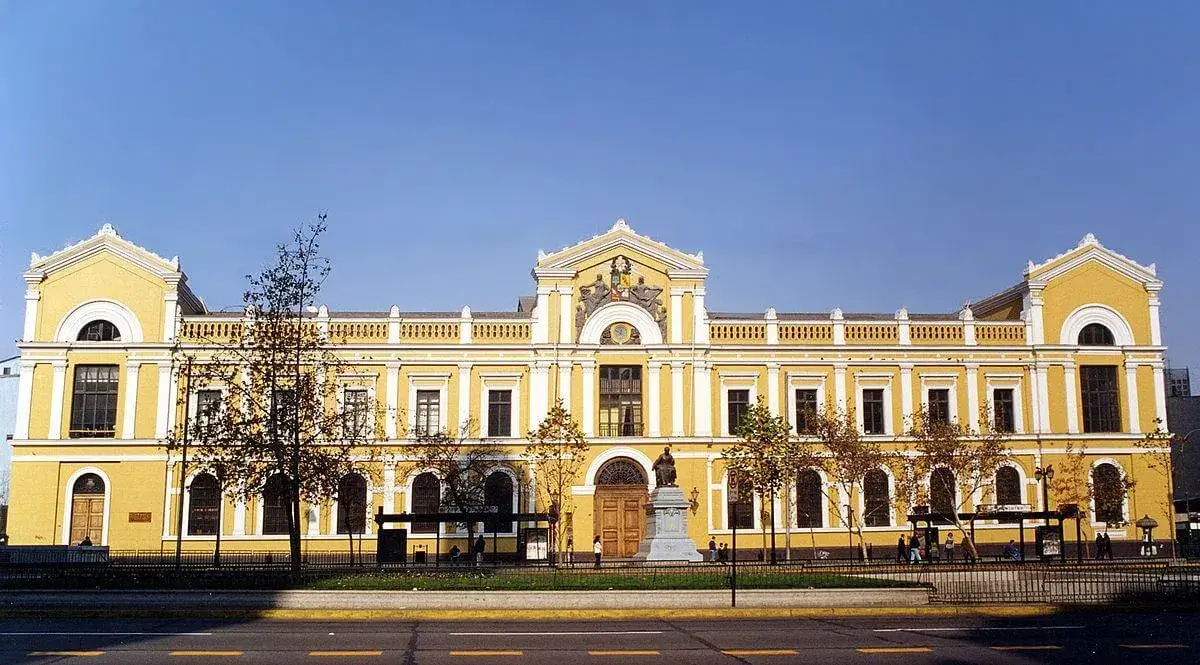
After taking the PAES, students can continue their studies in four types of institutions. Technical Training Centers (centros de formación técnica) offer a two-year program leading to a technical degree. Professional institutes (institutos profesionales) award professional degrees in fields that do not require a license. The higher education institutions of the Armed Forces (instituciones de educación de las Fuerzas Armadas) are intended for students wishing to join the army. Finally, universities (universidades) exist in all professional fields, and students can get a license, a master's degree or a doctorate. Chile has two of the most prestigious universities in Latin America: the Pontificia Universidad Católica de Chile and the Universidad de Chile.
Need ongoing help in Chile?
The membership includes help with:
- Housing and service-provider issues
- Healthcare and banking procedures
- Local professional recommendations
School curriculum
The school curriculum depends on the school. Although the Chilean government has a standard curriculum, international schools may include a specific program, such as preparation for language or international exams or subjects related to the culture of the language in which they teach. Some private schools also have social programs to help develop the local community.
Tuition fees
The Chilean State has adopted a voucher system for education, which covers about 93% of students (not including students enrolled in higher education). The remaining 7% attend non-subsidized private schools. The schools are either public, almost all belonging to the comuna where they are, or private, possibly receiving subsidies from the State. To receive public funding, private schools must allocate 15% of their seats in each class to students who are considered "vulnerable" (based on family income and the mother's level of education). Private schools, subsidized or not, may be for-profit.
Public schools and subsidized private schools may charge a fee for the admission process, an annual registration fee, which since 2011 may not exceed $3,500, and a monthly tuition fee, called copago, which is based on a voluntary participation for parents.
Non-subsidized private schools are free to set their fees, which may include registration and tuition fees, as well as school admission fees (to be paid only once) and fees once admitted to the school, which can be fairly high in some schools.
Admission
From kindergarten to high school
Since the year starts in March, admission processes take place between July and December, depending on the school. You can get more information on the website of the school you are interested in.
During admission process, some schools conduct written examinations and interviews to assess the student's maturity and motivation. Some private schools, especially international schools, are very selective and expensive.
University
All universities, both public and private, use a single admission system, the PAES (Prueba de Acceso a la Educación Superior), administered by the Department of Educational Evaluation, Measurement and Registration (DEMRE) of the Universidad de Chile. Students receive scores between 100 and 1,000 points. Admission scores vary significantly by program and university, with the most competitive programs requiring weighted scores above 800 points. The grade point average of the student during media educación is also taken into account, as well as the position of the student in his class during the two previous years. Every university assigns different weights to the results of the various examinations, depending on the courses offered. Some universities may require additional tests and personal interviews for admission to some courses.
There is a significant gap in PAES outcomes between public and private institutions. Private students score much higher. In Chile, private middle and high schools generally offer higher quality education than public schools. For higher education it is the opposite: public universities are usually better than private universities.
So the children of the most affluent Chilean families often attend the most prominent private schools, so that they get the best grades at the PAES, and can enter a public university. Less advantaged students must begin their education in public schools, and then go into debt to pay for a private university, more expensive and less prominent.
Student protests
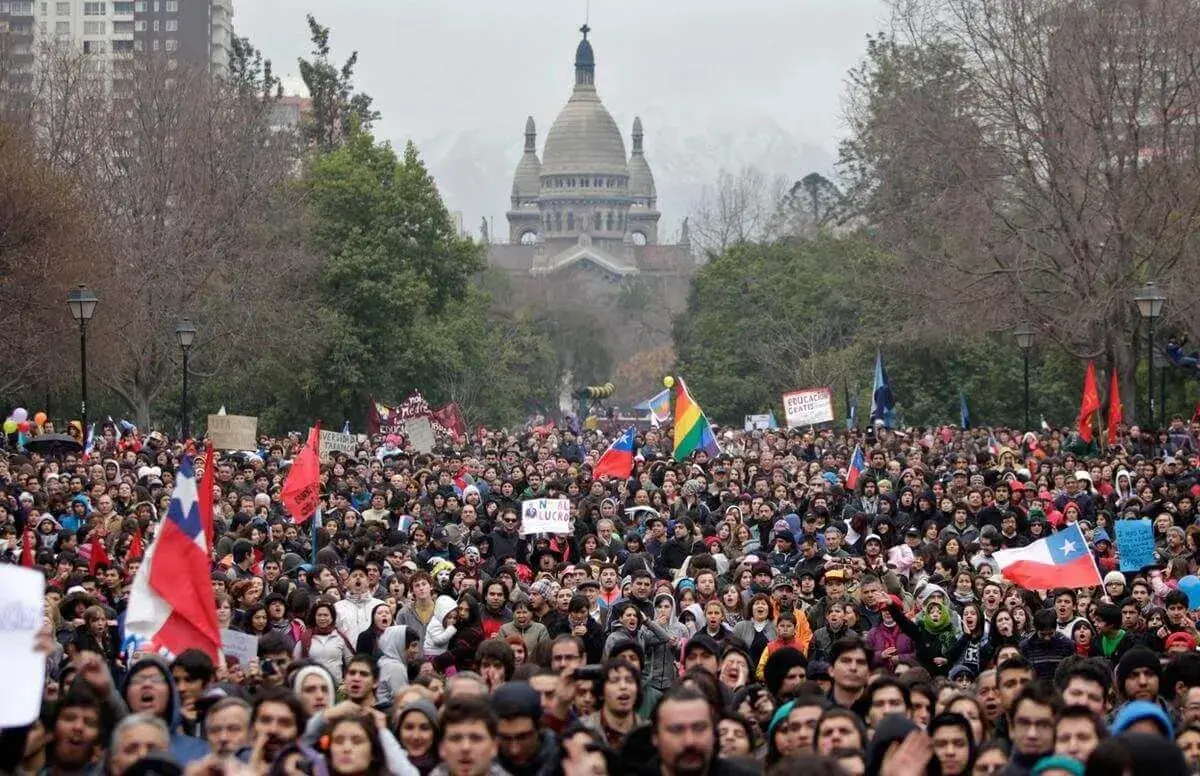
In 2011, student-led protests, known as the Chilean student winter (invierno estudiantil chileno), took place in Chile, against the education system, financed mainly by the private sector, to the detriment of the public sector. Indeed, only 25% of the Chilean education system is financed by the State. Students, by paying university fees, finance the remaining 75%. The demonstrations, mostly peaceful, brought together students from all types of institutions, private and public, university and secondary.
The protesters wanted a reform of the Chilean education system, including a strengthening of the role of the state and the end of the for-profit educational system in higher education, born under Pinochet. More generally, these demonstrations have been the reflection of the discontent of the population in the face of increasing inequalities.
In response to these protests, the Chilean government has proposed several reforms, rejected by the protesters because deemed as insufficient. Negotiations between protesters and the government broke down in October 2011. The protests have led to some changes but the students did not achieve all the goals set.
During her last presidency (2014-2018), Michelle Bachelet focused her policy on education and undertook a major reform of the education system, wanting to guarantee free access to higher education and an end to the for-profit educational system for private schools by 2020. From 2016, 30 public and private universities became free for students belonging to the poorest 50% of the population.
When he came to power in March 2018, in the context of the resurgence of student protests, Sebastián Piñera proposed a bill to promote free technical and vocational education, by increasing public funding for this type of institution. So the Chilean education system seems to be changing.
Frequently asked questions about education in Chile
Quality of Education
Is the education system in Chile good?
It is uneven. At school level, private middle and high schools generally offer higher quality education than public schools, a gap that shows clearly in PAES results. Higher education is a strong point: the Pontificia Universidad Católica de Chile and the Universidad de Chile are two of the most prestigious universities in Latin America, and public universities are usually better than private ones. Expat families typically choose private schools. See our guide to international schools in Santiago.
What is Chile ranked in education?
Rankings vary by measure, but Chile's universities consistently place at the top of Latin America, with the Pontificia Universidad Católica and the Universidad de Chile regularly cited among the region's best. At school level the picture is more uneven: strong private schools coexist with weaker public ones, an inequality that fueled the 2011 student protests and the reforms that followed.
Keep reading
Life in Chile
Retire in Chile: The Complete Guide for US Citizens (2026)
Life in Chile
Retire in Chile vs Portugal, Uruguay & Panama (2026)
Life in Chile
Chilean food
Life in Chile
Climate in Chile

Life in Chile
Amazon in Chile: Online Shopping Guide for Expats
Life in Chile
Average Salary Chile 2026: Wages, Minimum Wage, Take-Home