Last updated on 24/06/2026
On this page
Chilean food is a reflection of the country's geography: 4,000 kilometers of coastline supplying remarkable seafood, a fertile central valley producing fruit, vegetables and wine, and a countryside tradition built on corn, potatoes, beef and bread. It is not a spicy cuisine and it is less internationally famous than Peruvian or Mexican food, which leads some visitors to underrate it. Give it a season and it grows on you.
The classics
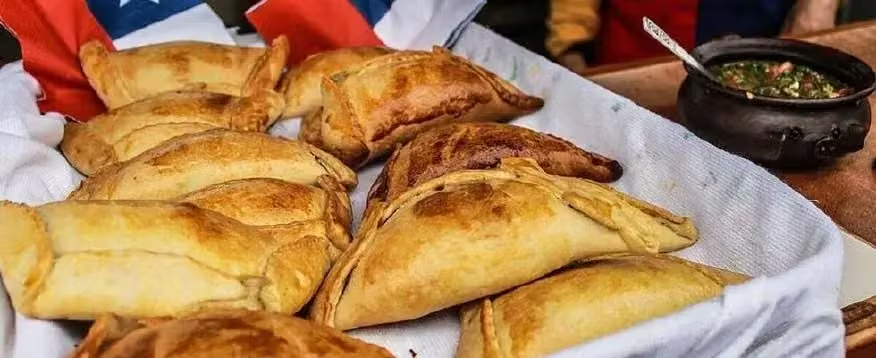
Empanadas are the national icon: baked pastries filled with pino (minced beef, onion, hard-boiled egg, an olive and a raisin), with cheese (queso), or with seafood (mariscos) on the coast.
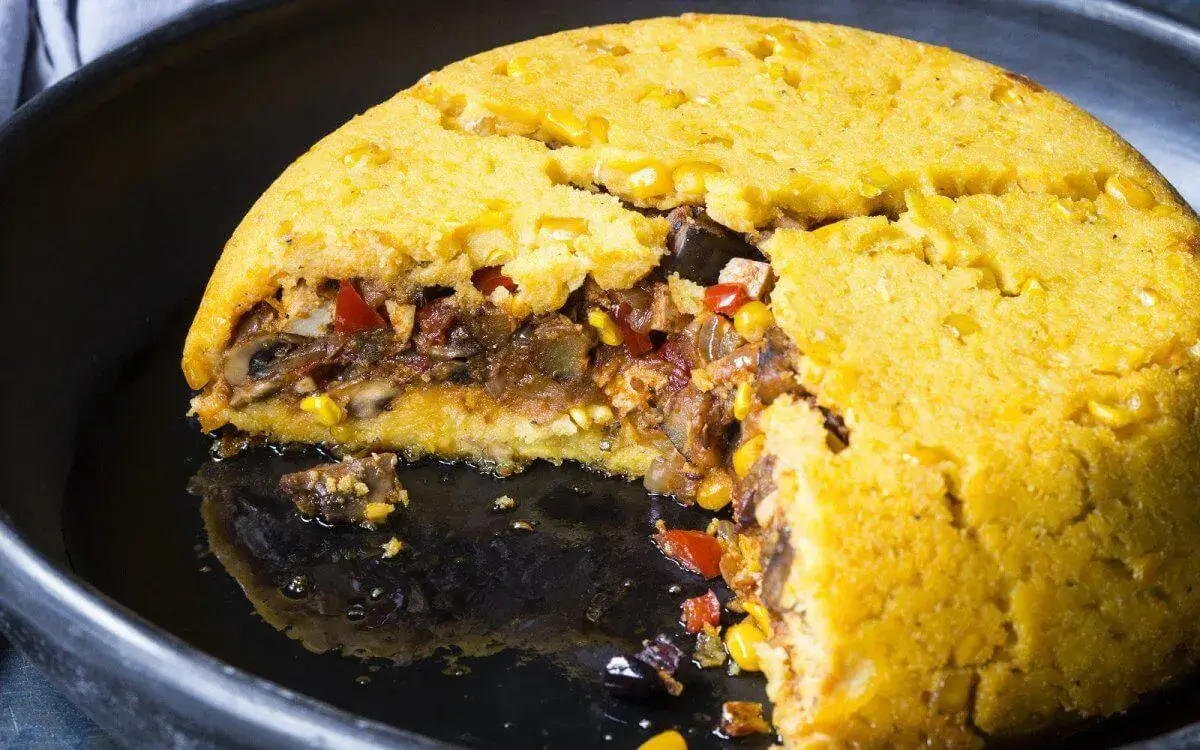
Pastel de choclo is the dish most often nominated as the national plate: a sweet ground-corn crust baked over a base of seasoned minced beef, chicken, egg and olives, traditionally served in a clay dish. Its cousin, the pastel de papas, swaps the corn for mashed potato.
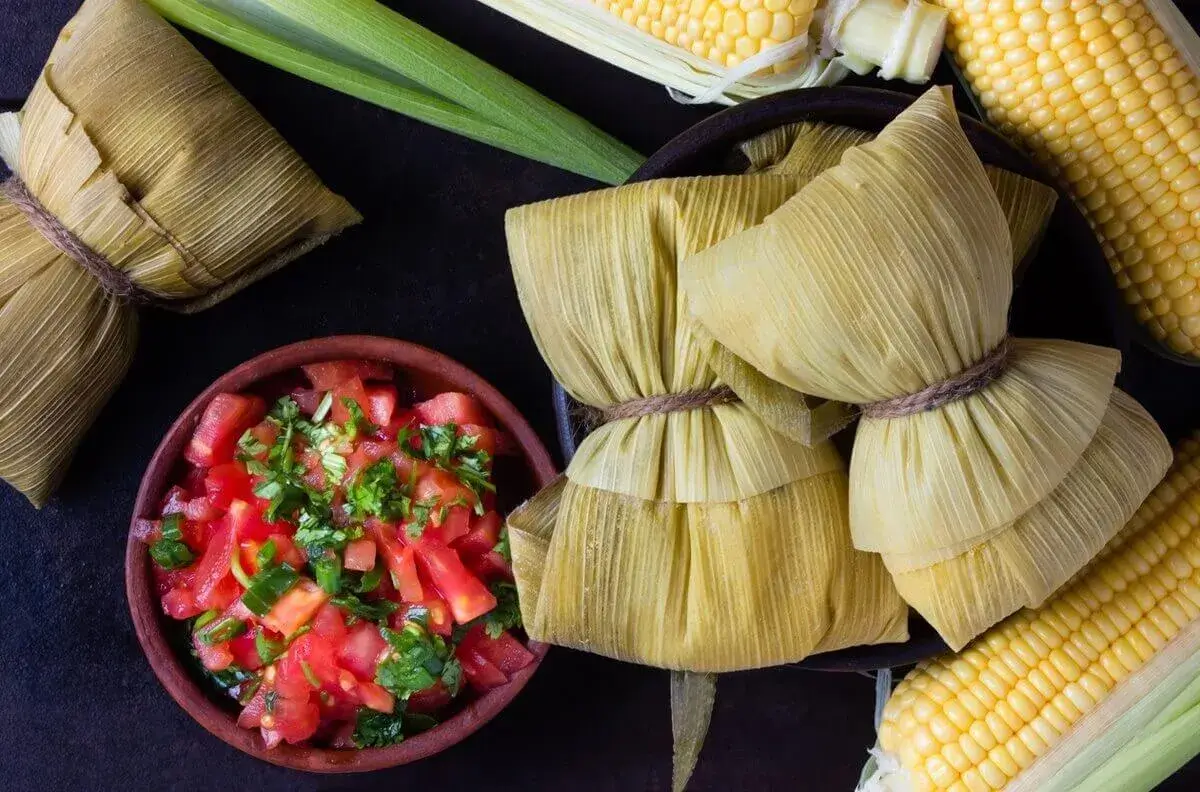
Cazuela is the everyday comfort food: a clear stew of beef or chicken with a potato, a piece of squash and corn on the cob. Humitas, seasoned ground corn wrapped and steamed in corn husks, are the taste of the Chilean summer.
The asado deserves its own mention because it is less a meal than the country's main social institution. Any excuse works: a birthday, a victory of the national football team, a sunny Sunday. Expect grilled beef and choripán (chorizo in bread), and expect to stay for hours.
From the south comes the curanto, Chiloé's feast of shellfish, meat and potato bread traditionally cooked in a pit over hot stones.
Street food and snacks
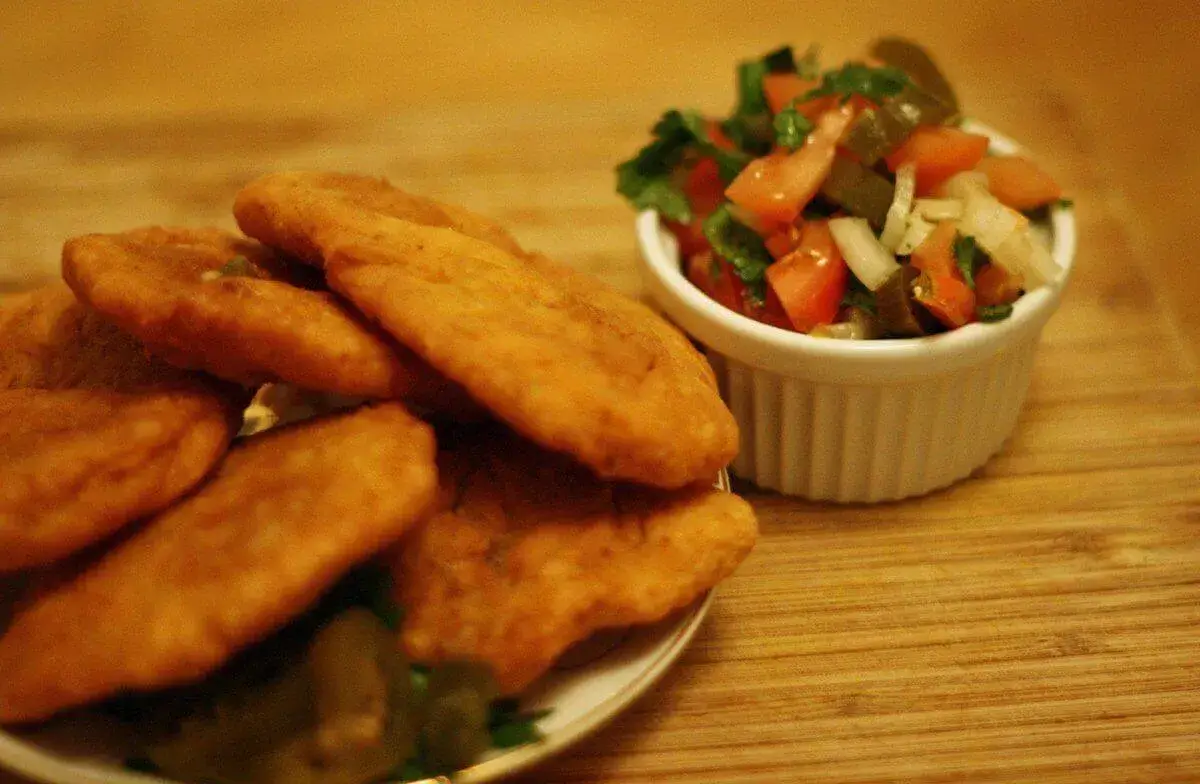
The completo is Chile's beloved hot dog, and the completo italiano (tomato, mashed avocado, mayonnaise, in the colors of the Italian flag) is the standard order. Sopaipillas, fried discs of pumpkin dough, appear on street corners the moment it starts raining, served with pebre (the Chilean salsa) or, in winter, pasadas in a sweet syrup.
Need ongoing help in Chile?
The membership includes help with:
- Housing and service-provider issues
- Healthcare and banking procedures
- Local professional recommendations
Seafood
The Humboldt current makes Chilean seafood some of the best in the world, and it stays affordable by international standards. Look for congrio (conger eel, the subject of Pablo Neruda's famous ode to its soup, the caldillo de congrio), reineta, merluza austral, razor clams (machas a la parmesana), and the markets of any coastal city. Chile is also one of the world's largest salmon producers, so good salmon is cheap and everywhere.
Sweets and drinks
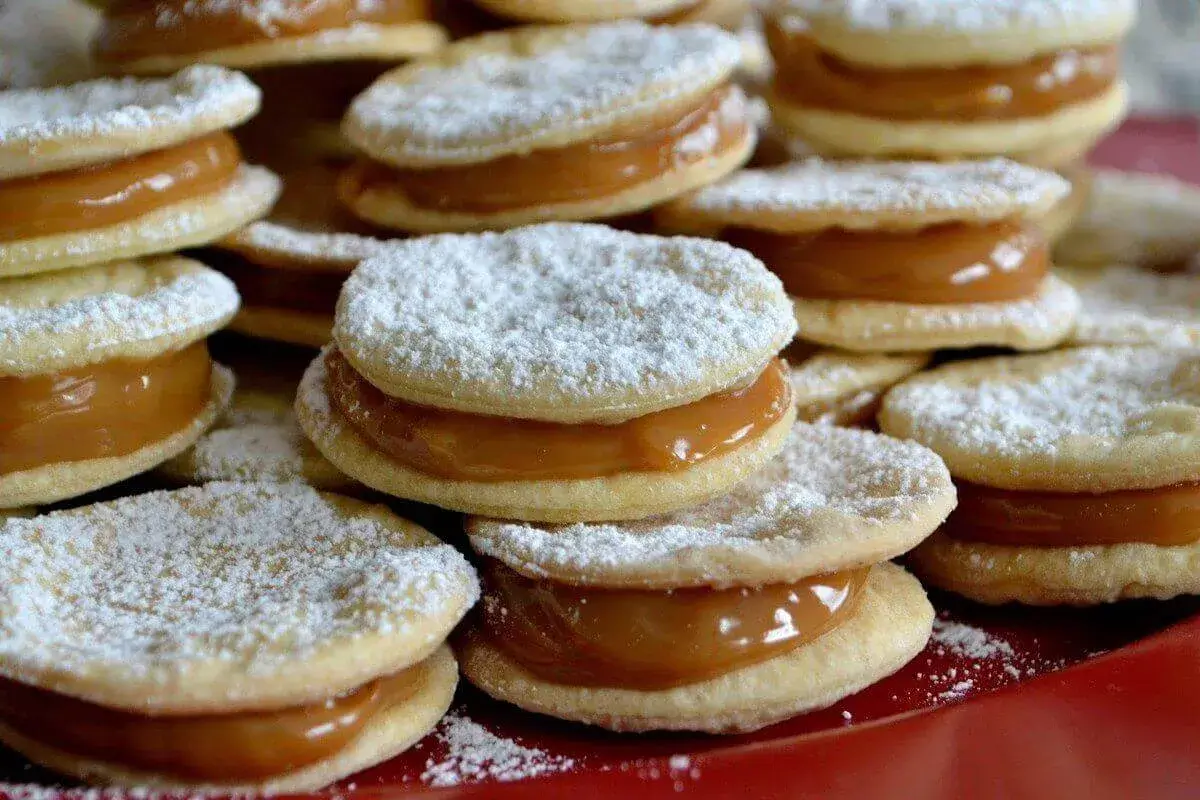
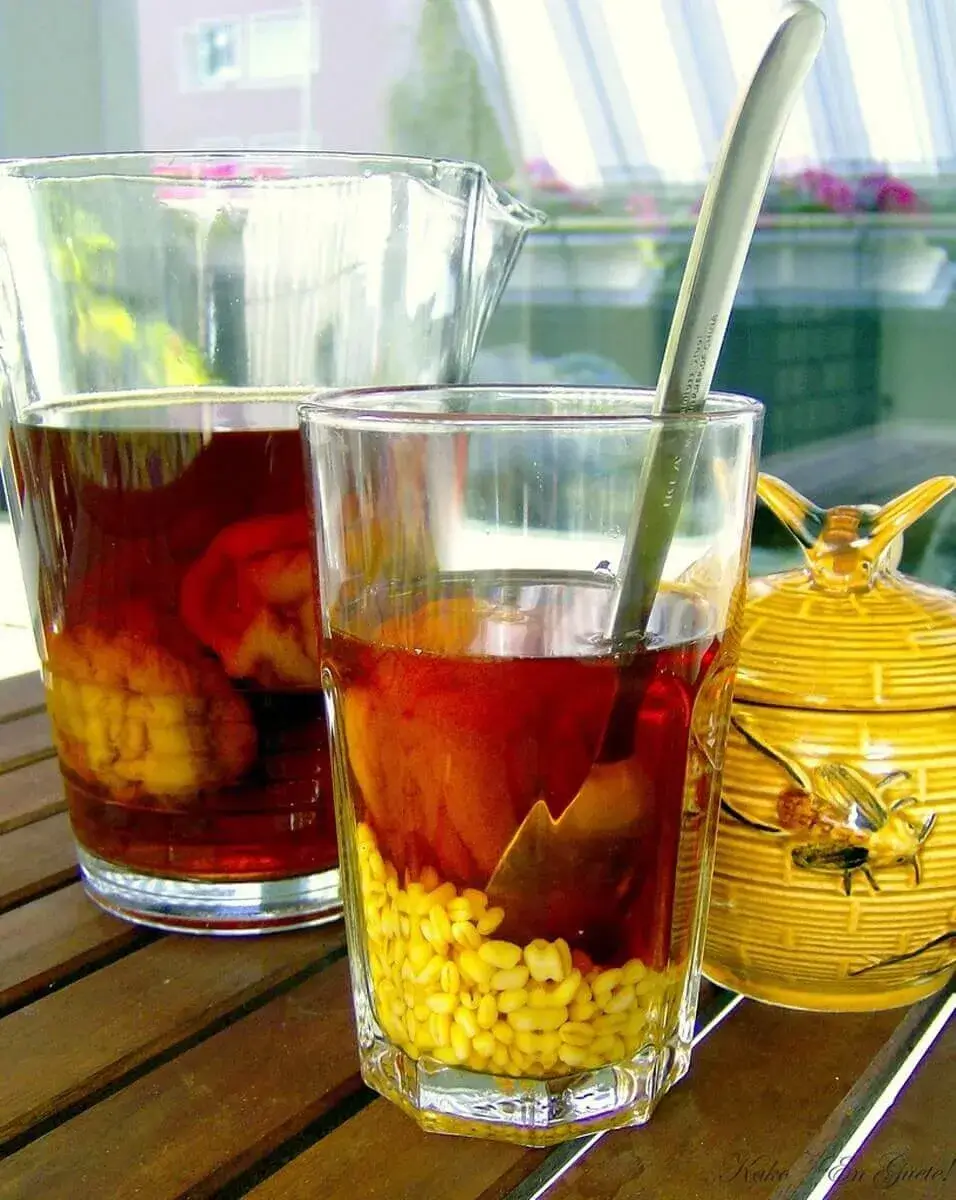
For dessert, the key word is manjar, the Chilean dulce de leche, spread on everything and filling the alfajores. In summer, street vendors sell mote con huesillo, a glass of rehydrated dried peaches and husked wheat in sweet juice: odd on paper, refreshing in practice.
On the drinks side, Chilean wine needs no introduction (the country is one of the world's largest exporters, with vineyards older than many European ones), pisco is the national spirit (do not mention Peru's claim to it at a Chilean table), and the terremoto ("earthquake"), a glass of sweet pipeño wine with pineapple ice cream, is the festival drink that flattens unsuspecting tourists. Tea matters more than coffee in daily life, which brings us to the schedule.
When Chileans eat
The eating schedule surprises every newcomer. Lunch, between 1:30 and 2:30pm, is the main meal of the day. Dinner, if it happens at all, is late, rarely before 8:30pm. In many homes the evening meal is replaced by once, a spread of bread, avocado, cheese, ham, jam and tea taken between 5 and 8pm. Being invited to once is a small badge of acceptance. We cover the social rules around it in our guide to Chilean customs.
Eating out follows the same rhythm: restaurants fill for lunch (look for the fixed-price menú del día, usually the best value in town), and dinner service starts late. Prices and where food fits in a monthly budget are covered in our cost of living in Chile guide.
Frequently asked questions about Chilean food
Chilean cuisine
What is Chile's most famous food?
The empanada de pino: a baked pastry filled with minced beef, onion, a slice of hard-boiled egg, an olive and a raisin. It is the dish Chileans themselves treat as a national symbol, especially around the September 18 celebrations, together with the asado (barbecue).
What is the national dish of Chile?
There is no official one, and Chileans happily argue about it. The usual candidates are the empanada de pino, the cazuela (a one-pot stew of meat, potato, corn and squash) and the pastel de choclo, a corn pie baked over seasoned minced beef and chicken. Any of the three is a safe answer at a Chilean table.
What is a famous snack in Chile?
The completo: a hot dog buried under diced tomato, mashed avocado and mayonnaise (the "completo italiano", named for the flag-like colors). The other street-food staple is the sopaipilla, a fried pumpkin dough disc sold on every corner as soon as it rains.
Keep reading

Life in Chile
Retire in Chile: The Complete Guide for US Citizens (2026)
Life in Chile
Retire in Chile vs Portugal, Uruguay & Panama (2026)

Life in Chile
Climate in Chile

Life in Chile
Amazon in Chile: Online Shopping Guide for Expats

Life in Chile
Average Salary Chile 2026: Wages, Minimum Wage, Take-Home

Life in Chile
Chilean Customs: Etiquette, Tipping, and Social Norms