Last updated on 03/09/2026
On this page
Santiago has an integrated public transportation network called RED Metropolitana de Movilidad (formerly Transantiago), which combines three modes: Metro (subway), buses (micros), and Tren Nos connecting San Bernardo to Estación Central.
To use the public transportation network, you need to buy a "BIP" card first, at the counter in the subway. Then, you can charge the amount you want, from $100, in a subway station or in newsstands located in many parts of Santiago. The amount credited is not refundable. Once you validate your card, you can travel for 2h, up to the limit of two bus/subway changes. If you only take the subway, you can change as many times as you want. By contrast, if you exit the subway, you will be charged again if you go back in the subway.
Subway
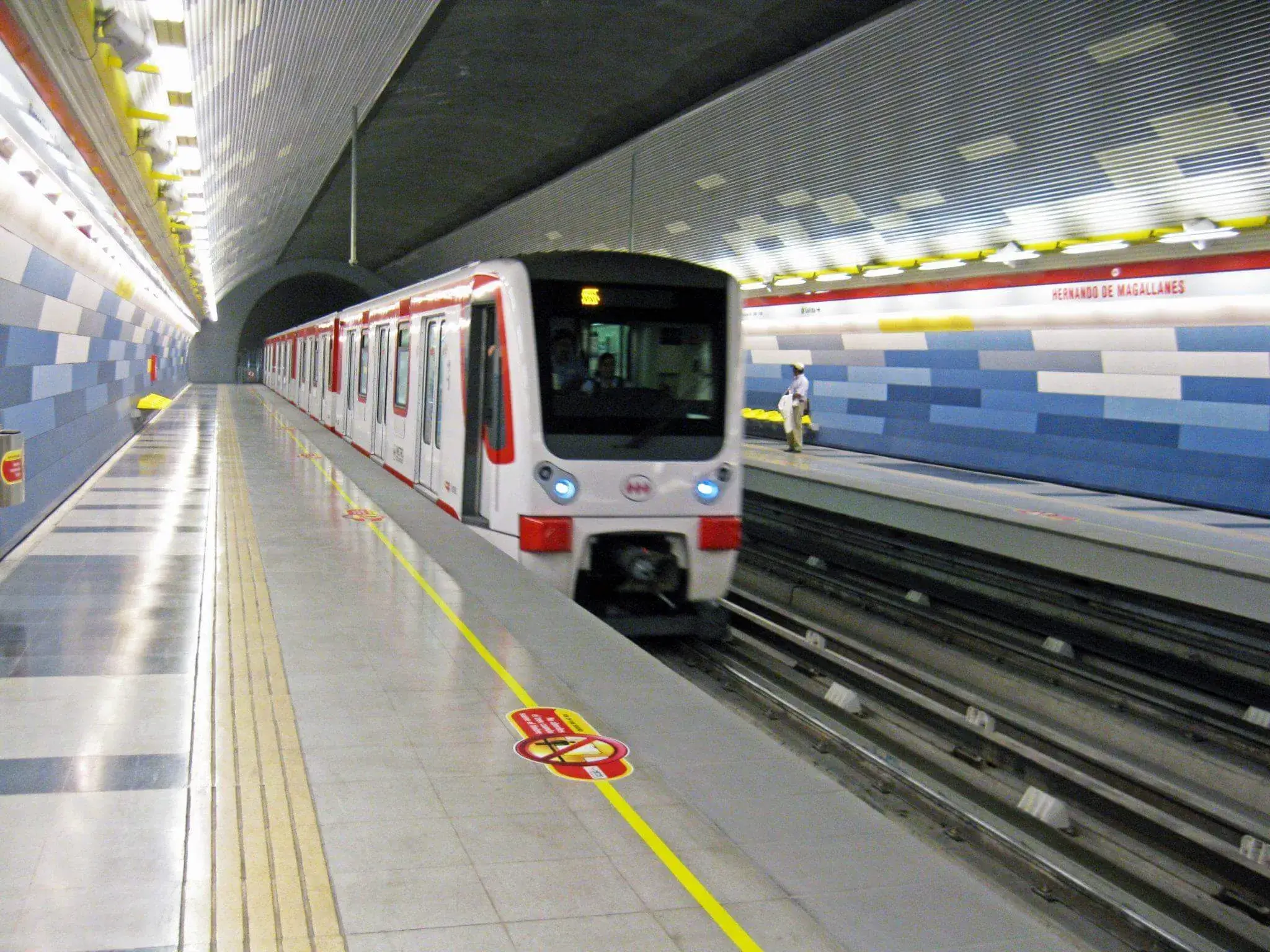
Santiago's subway is a safe and fast way to cross the Chilean capital. It does not serve all the neighborhoods but most of Santiago's points of interest. The subway is expanding: after two lines opened in 2018, Line 7 should open in 2026 and other projects are planned.
The cost of the ticket varies, depending on the week of the day and the time:
- Peak hours: from Monday to Friday 7 am - 9 am and 6-8 pm.
- Normal hours: from Monday to Friday 6.30 am - 7 am, 9 am - 6 pm and 8-8.45 pm, anytime on Saturday and Sunday (Saturday 6.30am-11.30pm; Sunday and public holidays 8 am - 11 pm).
- Off-peak hours: from Monday to Friday 6-6.30 am and 8.45-11 pm.
One of the features of Santiago's subway is that, to regulate traffic flow during peak hours, some subway trains do not stop at every station, but every two stations. Lines 2, 4 and 5 have three types of stations: red ones, green ones and mixed ones. Some trains stop at the red stations, others at the green ones. Before getting on the subway, just look at the color indicator, a green or red neon above every door of the subway, to know if you are about to enter in the right one. Every subway, no matter its color, stops at the mixed stations. During off-peak hours, no color is on. This means that the subway serves all the stations. Once you are in the subway train, the metro map is displayed with the colors on it, for you to know at which stations your train will stop.
Bus
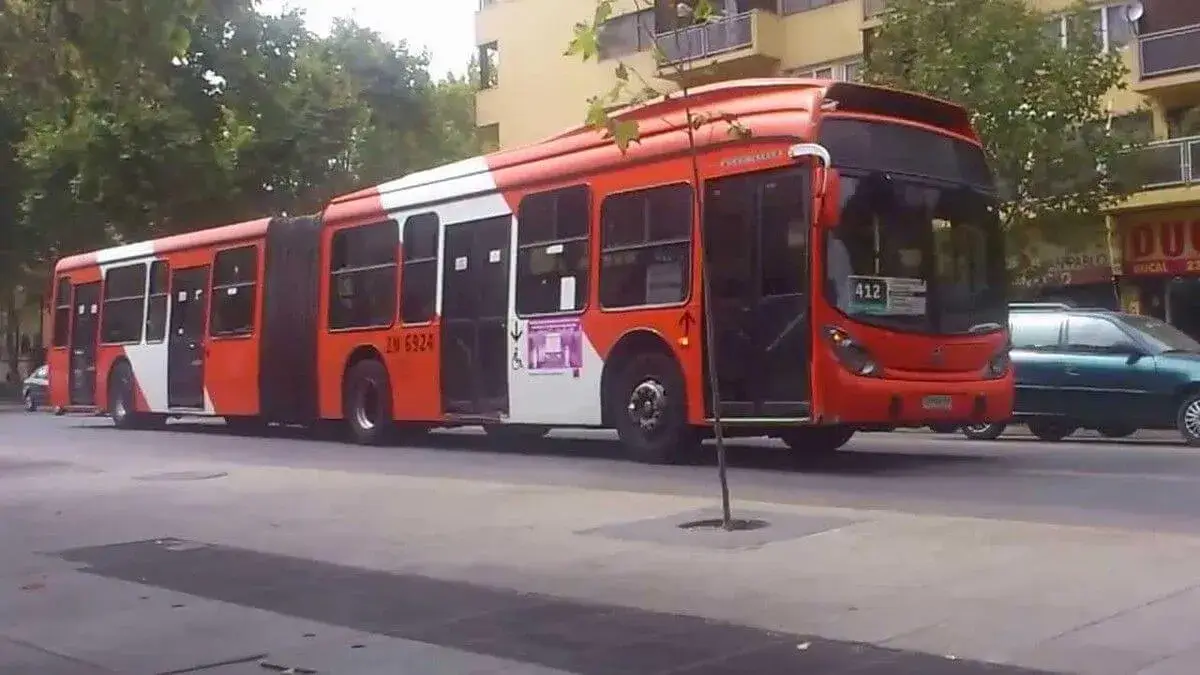
In Santiago, the bus is called the « micro ». The bus network serves all the neighborhoods but it is not the most reliable means of transport. Buses rarely arrive at the same time every day and may not stop at every station (even when they should), which are not always well indicated. So it is hard to locate yourself when you take the bus, so be sure to be in advance if you choose this means of transport.
A bus ticket costs $660 at any time of the day and week. If you exit the subway and take the bus, your card will not be debited when you validate it.
Need help finding a home?
The service includes:
- Properties compared with market prices
- Lease reviewed before you sign
- Accompanied viewings in Santiago
Taxis / Colectivos
Beside public transport, you can move around using a taxi. Even though Santiago is a safe city, you should use the booking app. This allows you to have the contact details of the driver and make a claim if you have an issue with the driver, or if the plan shows an unnecessary detour after the race. The app EasyTaxi was the taxi booking app until 2018, until it was bought by Cabify (see below).
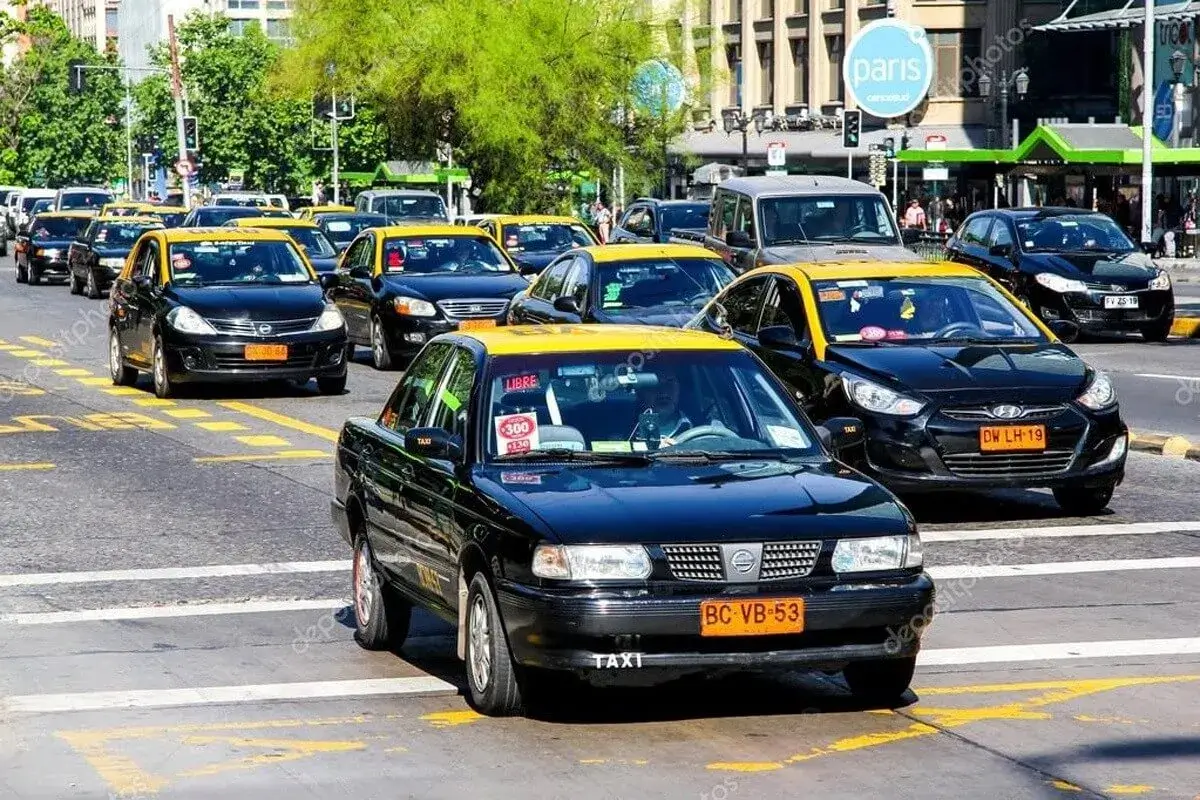
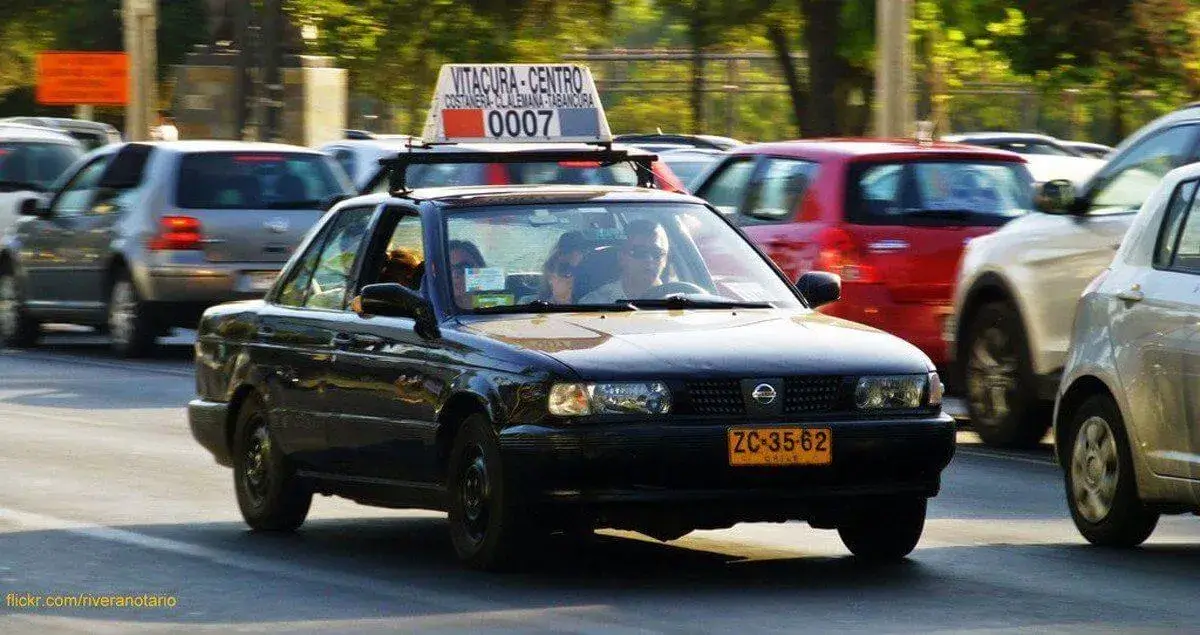
You can also use colectivos, taxis shared between four people, which are cheaper than a single-passenger taxi. The driver starts the ride once the four passengers are on board. Distances and prices are individual. Colectivos are mainly outside big metro stations and at Santiago's points of interests. You can identify them thanks to their color, all black, contrary to taxis which are black and yellow, and to the sign on the roof.
Ride-sharing apps like Uber, Cabify, and DiDi are widely used in Santiago. They are generally safer and cheaper than taxis, except during high-demand periods when surge pricing kicks in. If the price looks high, compare across apps, since prices can vary significantly. See our ride-sharing guide.
You can calculate your bus and subway routes on www.transantiago.cl. You should use the smartphone application Moovit, which also allows you to calculate routes, with indication of travel time.
Bikes
This is not public transport, but Santiago has made a lot of efforts to build bike lanes during the Covid-19 pandemic, so that fewer people had to take public transport.
Here you can find a map of all bike lanes in Santiago:
https://www.bicineta.cl/ciclovias
Frequently asked questions about public transport in Santiago
Getting Around Santiago
How to pay for public transport in Santiago?
Buy a "BIP" card at the counter of any subway station, then charge it in stations or at newsstands across the city. One validation lets you travel for 2 hours with up to two bus/subway changes, and within the subway you can change lines as many times as you want as long as you do not exit. Note that the credited amount is not refundable.
What is the best way to get around Santiago?
The subway: it is safe, fast, serves most of Santiago's points of interest, and keeps expanding, with Line 7 due to open in 2026. Buses cover all neighborhoods but are less reliable, with stops that are not always well indicated. For door-to-door trips, ride-sharing apps are widely used, and the Moovit app helps you plan bus and subway routes with travel times.
Is it safe to take Uber in Santiago, Chile?
Yes. Uber, Cabify, and DiDi are widely used in Santiago and generally safer and cheaper than street taxis, since booking through the app gives you the driver's details and a channel to make a claim. Prices can vary significantly between apps during high-demand periods, so compare before booking. On buses and the subway, keep your bag closed and in front of you, as thefts are frequent. More details in our ride-sharing guide.
Keep reading

Living in Santiago
Live in Colina

Living in Santiago
Is Santiago Safe? A Neighborhood-by-Neighborhood Answer

Living in Santiago
Apartments for rent in Santiago

Living in Santiago
Finding an apartment / a house in Santiago

Living in Santiago
Houses for rent in Santiago

Living in Santiago
International Schools in Santiago