- Home
- Expat Guide
- Where to live
- Punta Arenas / Puerto Natales
Last updated on 19/03/2026
The end of the world, literally
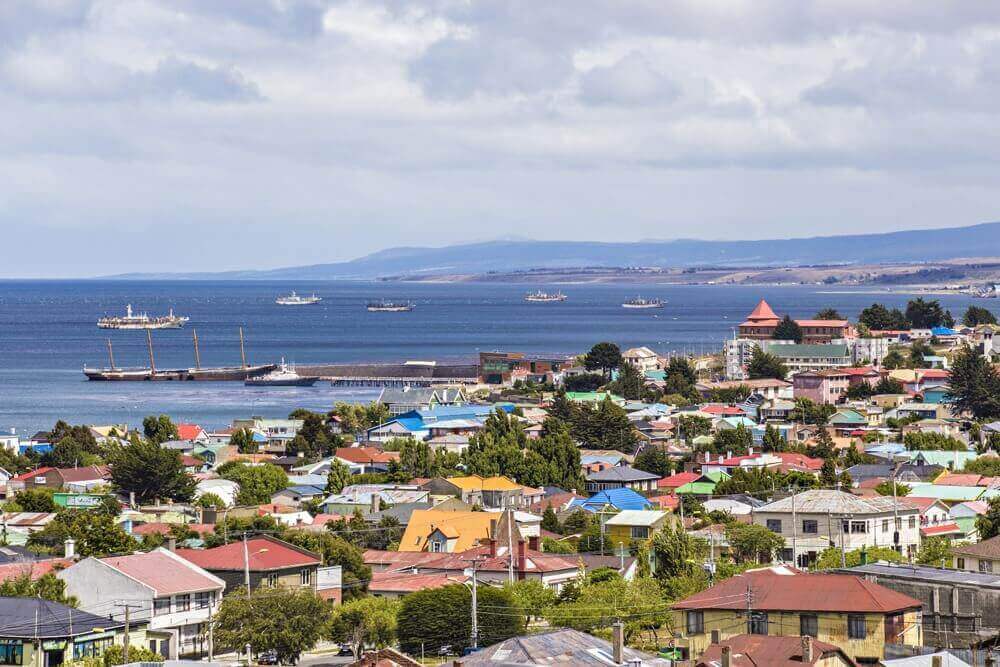
Punta Arenas and Puerto Natales are about as far south as you can go in continental Chile — over 3,000 kilometers from Santiago. Punta Arenas is the regional capital with around 130,000 inhabitants, and Puerto Natales is a much smaller town of about 20,000 people that serves as the gateway to Torres del Paine National Park.
Let's be honest: if you are moving here, it is because you have a very specific reason. You work in the tourism industry, you have a job in oil and gas, you are involved in Antarctic logistics, or you simply fell in love with the place and decided to stay. There is no casual "let me try Patagonia" relocation. The weather alone filters out most people.
The wind and the cold
There is no way around it — the climate is harsh. Summer temperatures hover around 5-17°C, which is already cool by most standards, and winter drops to well below freezing. But the real story is the wind. It is constant, it is strong, and it will test your patience. In summer it can blow relentlessly for days. In winter, you get about 7 hours of daylight, which can be psychologically difficult if you are not prepared for it.
You absolutely need proper heating in your home, and good insulation matters a lot. Many older buildings are not well insulated, so keep that in mind when looking for accommodation.
Living there
Punta Arenas has all the basic services you need — a hospital, supermarkets, schools, a small shopping center, and an airport with daily flights to Santiago (about 3.5 hours). Puerto Natales is much more limited. It has a small hospital and basic services, but for anything serious you will need to go to Punta Arenas, which is a 3-hour bus ride away.
Housing is surprisingly affordable compared to Santiago. You can find apartments in Punta Arenas for $300-500/month and houses for $500-1,000. Puerto Natales is a bit cheaper. However, many goods are more expensive than elsewhere in Chile because everything has to be shipped down, and heating costs in winter are significant.
The duty-free zone (Zona Franca) in Punta Arenas is a nice perk — you can get electronics, vehicles, and imported goods at lower prices than the rest of Chile.
Who lives there?
The expat community is very small. We don't have many contacts there yet, honestly. The foreigners you will find are mostly adventure tourism professionals, researchers working on Antarctic or environmental projects, and a handful of remote workers who wanted something radically different. Puerto Natales has more seasonal workers who come and go with the trekking season (October to April).
If you love the outdoors, the access is obviously incredible — Torres del Paine, glaciers, fjords, penguin colonies, and Punta Arenas is even a departure point for Antarctica. But this is a place where you trade convenience and social life for raw nature and solitude. You need a car, you need to be comfortable with isolation, and you need to genuinely enjoy the cold.
As far as the other regions are concerned, this is probably the most remote place you could choose to live in Chile. Make sure you visit first — ideally in winter — before committing to a move.

Do you want to go more in detail?
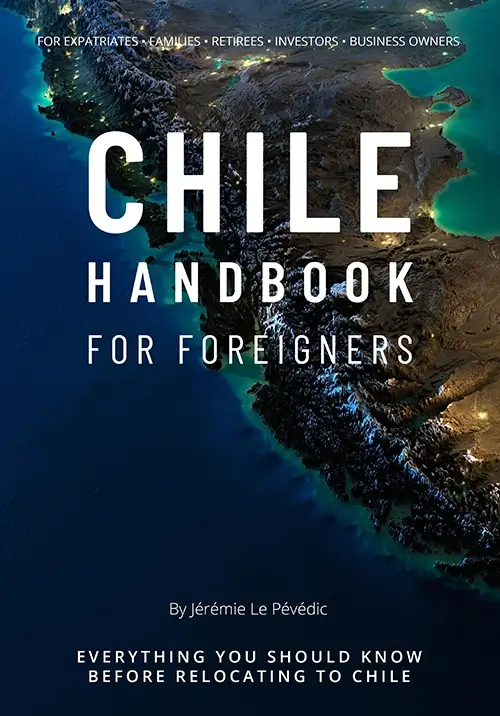
I wrote the Chile Handbook for Foreigners for anyone and everyone looking to move permanently and enjoy life in Chile. It's a 265-page book that goes over all aspects of relocating to Chile. Here is what you get:
✅ Practical tips based on 7-year relocation experience
✅ To-do lists to help you start
✅ Last updated in 2025