- Home
- Expat Guide
- Where to live
- Puerto Varas / Puerto Montt
Last updated on 19/03/2026
Two cities, very different vibes
Puerto Varas and Puerto Montt are in Chile's Lake District (Región de Los Lagos), about 1,000 kilometres south of Santiago. They are only 20 km apart -- roughly a 20-minute drive -- but the difference between them is striking.
Puerto Varas is the one everyone falls in love with. It sits on the shores of Lake Llanquihue with a jaw-dropping view of Volcán Osorno, has well-preserved German-heritage architecture, cute cafes, kuchen (German cake) shops, and a genuinely charming small-town feel. It is also a base for outdoor activities -- hiking, kayaking, fly fishing, volcano climbing, and skiing on Osorno in winter.
Puerto Montt is the regional capital and it has a very different character. It is an industrial harbour city with all the urban services you need -- hospitals, shopping centres, government offices -- but not much aesthetic charm. Most people pass through Puerto Montt rather than aspire to live there.
Considering how close Puerto Montt and Puerto Varas are (20 minutes driving), I would 100% live in Puerto Varas, unless you absolutely value being close from your work. Puerto Montt is an harbour with an industrial vibe, which most won't like. There are limited restaurants, bars, things to do. Most expatriates will enjoy Puerto Varas better, except in January/February, the peak tourism season where it can be very crowded.
The weather situation
Let's be honest about this: it rains a lot. The Lake District has a temperate oceanic climate, which is a polite way of saying you will see a lot of grey skies and drizzle, especially from April to October. Summers (December to March) are beautiful -- mild, green, with long daylight hours -- but winter is damp and cold enough that you will need proper heating. If you are coming from northern Chile or a Mediterranean climate, this will be a significant adjustment.
The upside of all that rain is that the landscape is spectacularly green. National parks like Vicente Pérez Rosales are right on your doorstep, and the combination of lakes, volcanoes, and temperate rainforest is genuinely world-class.
Practical matters
Living costs are lower than Santiago. Puerto Varas is a small town, so your housing options range from apartments in the centre to larger rural properties (parcelas) a few kilometres out. The parcelas give you space and privacy, but you will need a car. In fact, you will probably want a car regardless -- public transport exists but is limited.
The German heritage is not just decorative. You will find it in the architecture, the food (the kuchen is excellent), and the annual Oktoberfest-style beer festival. There is a small but established expat community, and the locals tend to be welcoming.
Getting to Santiago requires either a 1.5-hour flight from Puerto Montt's airport or a rather heroic 12-to-14-hour overnight bus ride. Chiloé Island is accessible by ferry from Puerto Montt if you want to explore further south.
Who is this for?
Puerto Varas is ideal for nature lovers, retirees, and remote workers who do not mind the rain and want a beautiful, peaceful setting. It is a small town, so you need to be comfortable with limited nightlife, fewer restaurants, and a quieter social scene. If you need a big city, this is not it -- but if you want to wake up to a volcano reflected in a lake every morning, there are few better places in Chile.
We have some expat contacts in the area and can help connect you if you are considering the move.
Do you want to go more in detail?
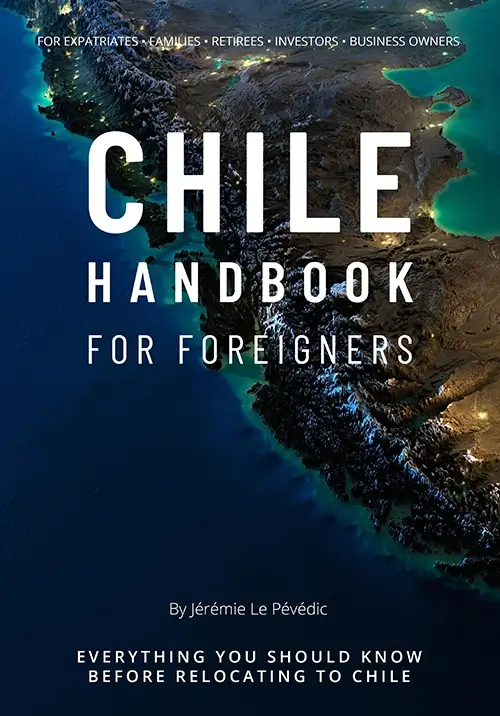
I wrote the Chile Handbook for Foreigners for anyone and everyone looking to move permanently and enjoy life in Chile. It's a 265-page book that goes over all aspects of relocating to Chile. Here is what you get:
✅ Practical tips based on 7-year relocation experience
✅ To-do lists to help you start
✅ Last updated in 2025